
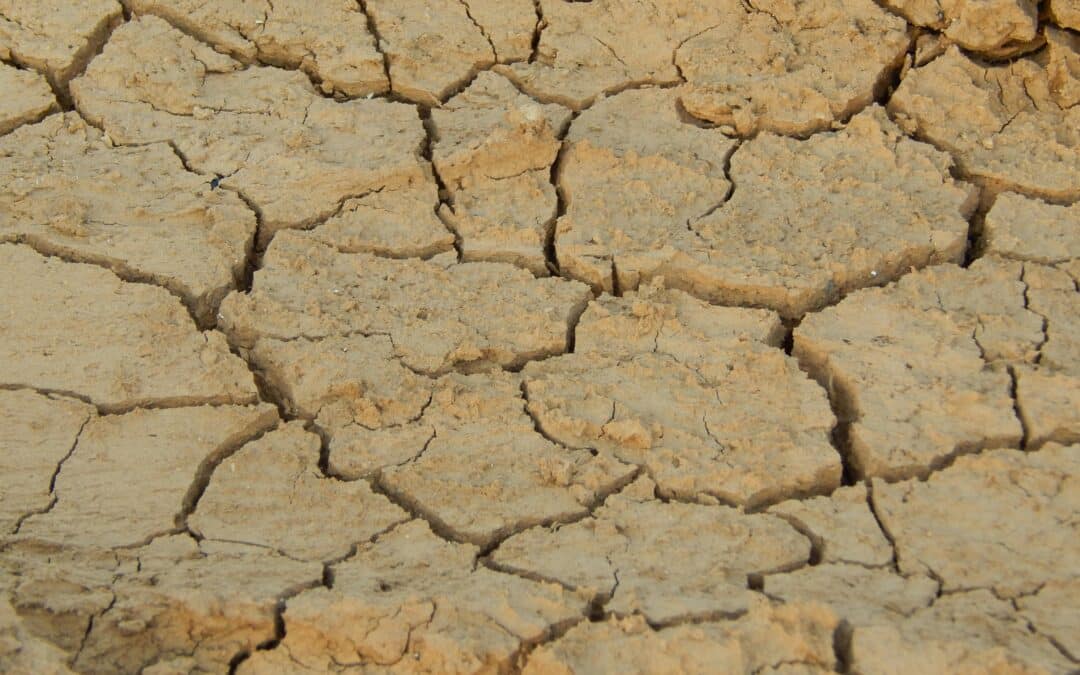
What Are Expansive Clay Soils?
Expansive clay soils are soils with a high concentration of clay minerals that absorb water and swell when wet, then shrink and crack when they dry out. Unlike sand or gravel — which drain quickly and stay relatively stable — clay holds moisture and moves with it.
The numbers are striking. Expansive clay soils can increase in volume by 10% or more when saturated, exerting thousands of pounds of pressure per square foot against anything in their way — including your foundation walls and footing.
When the moisture leaves, that same soil contracts, pulling away from the foundation and leaving voids that allow the structure to shift and settle.
The Clay Bowl Effect: Why Your Foundation Is Especially Vulnerable
Here’s something most homeowners don’t know: when your home was built, contractors excavated the soil, poured the foundation, then backfilled around it with the same soil they dug out. That backfilled soil — now looser and more porous than the undisturbed soil surrounding it — absorbs water faster and in greater quantities than anything else in your yard.
This creates what’s known as the clay bowl effect.
Picture your foundation sitting inside a bowl made of highly absorbent clay. Every time it rains, every time a sprinkler runs, every time snow melts — that clay bowl around your foundation fills up first. The soil swells. Pressure builds against your walls. Then in a dry spell, it all contracts again.
Your foundation goes through this cycle repeatedly, year after year. And Indiana’s climate — wet springs, dry summers, and everything in between — makes this cycle more aggressive than in many other parts of the country.
What Expansive Clay Soils Do to Your Home
The swelling and shrinking cycle doesn’t just push against your walls. It affects the entire structure above. Here’s what homeowners in central Indiana typically see as clay soil damage progresses:
- Horizontal cracks in basement walls — lateral pressure from swelling soil pushing inward
- Foundation settlement — as soil dries and voids form beneath footings, sections of the foundation sink
- Bowing or bulging walls — sustained pressure causes walls to deflect inward over time
- Stair-step cracks in block foundations as sections move independently
- Cracks in drywall, particularly diagonal cracks at door and window corners
- Sticking or misaligned doors and windows — the frame shifts as the foundation moves
- Uneven or sloping floors — settlement causes the floor system to follow the foundation
- Gaps between walls and ceilings or floors — visible separation as framing racks
None of these symptoms appear overnight. They’re the result of years of soil movement — which is also why they tend to get worse, not better, if left unaddressed.
What Can Be Done About It?
You can’t swap out your soil, but you can address the conditions that make expansive clay so damaging — and you can stabilize a foundation that’s already been affected.
Drainage and Water Management
The clay bowl effect is fueled by water. Improving drainage around your home reduces how much moisture the clay around your foundation absorbs in the first place. This includes:
- Regrading the soil so it slopes away from the foundation
- Extending downspouts at least 6 feet from the house
- Installing interior or exterior drainage systems to redirect groundwater
Foundation Stabilization
When soil movement has already caused settlement or wall damage, drainage alone isn’t enough. The foundation itself needs to be addressed:
- Helical or push piers — driven past the unstable clay layer into load-bearing soil or bedrock, these stop settlement and can restore the foundation toward its original position
- Wall anchors or carbon fiber straps — for walls that have bowed or cracked under lateral soil pressure, these systems halt movement and restore structural integrity
- Crawl space or basement waterproofing — managing interior moisture reduces the pressure differential between wet and dry cycles
Every repair from Trusted Foundation Solutions is backed by a satisfaction guarantee and a lifetime warranty. The goal isn’t a patch — it’s a permanent solution that protects your home for the long haul.
Central Indiana Homeowners Face This Every Season
Indianapolis, Carmel, Fishers, Noblesville, Greenwood — the entire central Indiana region sits on expansive clay-heavy soil. The wet-dry cycle here is relentless, and foundations that haven’t been assessed in years are often further along in the damage process than homeowners realize.
The good news: caught early, clay soil damage is very manageable. Caught late, it’s a much bigger project.
Trusted Foundation Solutions offers free inspections throughout central Indiana. We’ll assess your foundation, identify any clay-related movement, and give you a clear, honest picture of what’s happening — no pressure, no guesswork.
Call us today or fill out our contact form to schedule your free inspection. Your foundation is worth protecting.