
What Is Foundation Waterproofing?
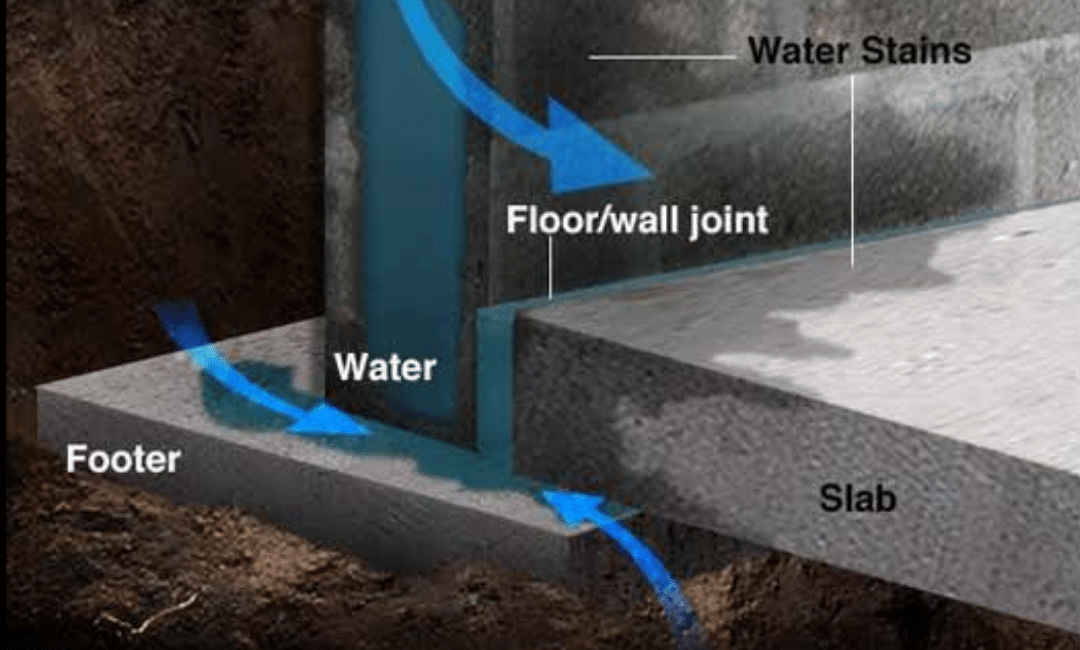
Foundation waterproofing is the process of preventing water from entering your home through the foundation walls, floors, or joints. It involves a combination of drainage control, sealing, and moisture management systems designed to keep water away from vulnerable structural areas.
For homeowners with foundation issues, foundation waterproofing is not a cosmetic upgrade; it is a protective measure that safeguards the structural integrity of the entire house. Without proper waterproofing, water intrusion can weaken concrete, rot wood framing, and create unhealthy living conditions.
Why Foundation Waterproofing Is Critical for Homeowners
Water is one of the most destructive elements affecting homes. Even small amounts of moisture can cause long term damage when allowed to persist. Foundation waterproofing protects against:
- Basement and crawl space flooding
- Mold and mildew growth
- Foundation cracks and wall deterioration
- Reduced property value
For homeowners already dealing with foundation problems, waterproofing is often the first and most important step in stopping further damage.
Common Causes of Foundation Water Problems
Poor Drainage and Grading
When soil slopes toward the house instead of away, rainwater collects at the foundation. Clogged gutters and short downspouts worsen the problem by dumping roof runoff directly next to foundation walls.
Foundation Cracks and Porous Concrete
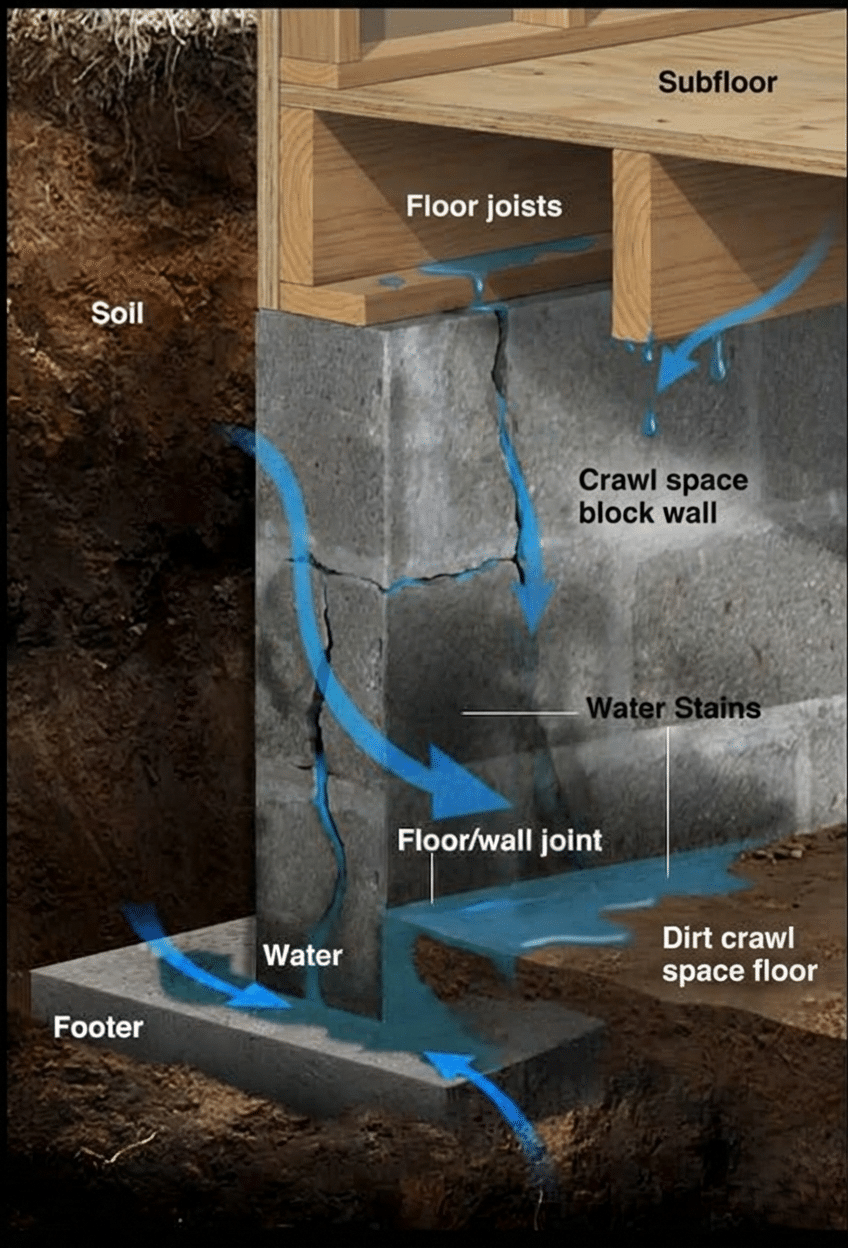
Concrete is naturally porous. Over time, cracks form due to settlement and temperature changes, allowing water to seep through even the smallest openings.
Hydrostatic Pressure
When surrounding soil becomes saturated, water pressure builds and pushes against foundation walls and floors. This pressure forces moisture into basements and crawl spaces, even without visible cracks.

Signs You Need Foundation Waterproofing
Common warning signs include:
- Damp or wet basement walls
- Musty odors or visible mold
- White powdery residue on concrete (efflorescence)
- Peeling paint or bubbling drywall
- Standing water after rain
If you notice any of these issues, foundation waterproofing should be addressed immediately.
Types of Foundation Waterproofing Methods
Exterior Foundation Waterproofing
Exterior waterproofing stops water at the source. It involves excavating around the foundation, sealing walls with waterproof membranes, and installing exterior drainage systems. This is the most comprehensive and long lasting solution.
Interior Foundation Waterproofing
Interior systems manage water after it enters the foundation. These include interior French drains, sump pumps, and wall sealants. While effective, they do not stop water from reaching the foundation walls.
Crawl Space Waterproofing
For crawl space homes, waterproofing includes vapor barriers, drainage systems, and dehumidifiers. These methods control moisture and prevent wood rot and mold growth.
Which Foundation Waterproofing Method Is Best?
The best foundation waterproofing method depends on:
- Foundation type (basement, crawl space, slab)
- Severity of water intrusion
- Soil conditions
- Budget
In many cases, a combination of exterior and interior solutions provides the best protection.
How Long Foundation Waterproofing Lasts
High quality foundation waterproofing systems can last decades when properly installed and maintained. Exterior membranes and drainage systems often last 20–30 years or more, while interior systems may require periodic maintenance.
Preventing Future Foundation Water Issues
- Keep gutters clean and extend downspouts
- Maintain proper soil grading
- Repair foundation cracks promptly
- Install drainage systems where needed
- Control indoor and crawl space humidity
Preventive care extends the life of your waterproofing system and your foundation.
FAQs About Foundation Waterproofing
- Is foundation waterproofing worth the cost?
Yes. It prevents expensive structural and mold damage. - Can waterproofing stop existing foundation cracks?
It prevents water intrusion but structural cracks may need separate repair. - Is interior or exterior waterproofing better?
Exterior is more comprehensive, but interior systems are effective when excavation isn’t possible. - How long does installation take?
Most projects take 2–5 days depending on scope. - Does foundation waterproofing increase home value?
Yes. A dry basement is a major selling point. - Should waterproofing be done before foundation repairs?
Often yes, especially when water is contributing to the damage.
Conclusion: A Dry Foundation Is a Strong Foundation
Foundation waterproofing is one of the smartest investments homeowners with foundation issues can make. Water damage only gets worse with time, but proactive waterproofing stops problems before they threaten your home’s safety and value.
By choosing the right foundation waterproofing solution and addressing moisture early, you can protect your foundation, improve indoor air quality, and enjoy long term peace of mind.