
What Are Uneven Floors and Why They Matter
Uneven Floors are one of the most overlooked yet serious warning signs of foundation problems in a home. Many homeowners assume a sloping or bouncy floor is simply part of an older house’s “character.” Unfortunately, that assumption can lead to expensive repairs down the line.
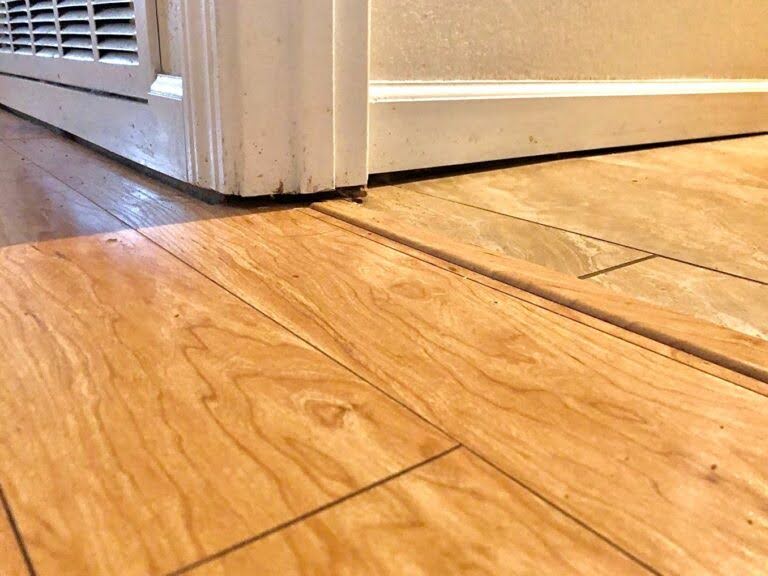
Uneven Floors occur when the floor surface is no longer level, flat, or stable. You may notice dips, slopes, soft spots, or areas that feel springy underfoot. In homes with foundation issues, this is rarely a cosmetic problem—it’s often structural.
For homeowners dealing with foundation concerns, Uneven Floors matter because they often indicate shifting soil, moisture intrusion, or failing support systems beneath your home. Ignoring these signs can allow minor issues to turn into major structural failures that affect safety, comfort, and resale value.

Main Causes of Uneven Floors in Homes
Foundation Settlement and Soil Movement
The most common cause of Uneven Floors is foundation settlement. Homes rest on soil, and when that soil expands, contracts, or erodes, the foundation can shift. Clay heavy soils are especially problematic because they swell when wet and shrink during dry periods.
Over time, this movement causes parts of the foundation to sink or tilt, pulling floors out of level. Homeowners with foundation issues often notice Uneven Floors first before seeing cracks or other damage.
Water Damage and Moisture Problems
Water is another major enemy of level floors. Poor drainage, plumbing leaks, or high groundwater can weaken soil and wooden structural components. When moisture infiltrates crawl spaces or slabs, it can rot floor joists or cause soil washout, leading directly to Uneven Floors.
Poor Construction or Aging Materials
In some cases, Uneven Floors stem from improper construction techniques. Undersized beams, poorly spaced joists, or low quality materials may not support the home’s weight long term. Aging homes are especially vulnerable as materials naturally weaken over decades.
Structural Damage and Load Issues
Renovations that add heavy loads—such as stone countertops, large aquariums, or additional rooms—can stress an already struggling foundation. When structural supports can’t handle the load, floors begin to sag or slope.
Warning Signs Homeowners Should Never Ignore
Visual Clues and Floor Sloping
If you can roll a ball across the room and watch it drift in one direction, Uneven Floors are already present. Other signs include visible dips, cracked tiles, or gaps between flooring and baseboards.
Doors, Windows, and Wall Cracks
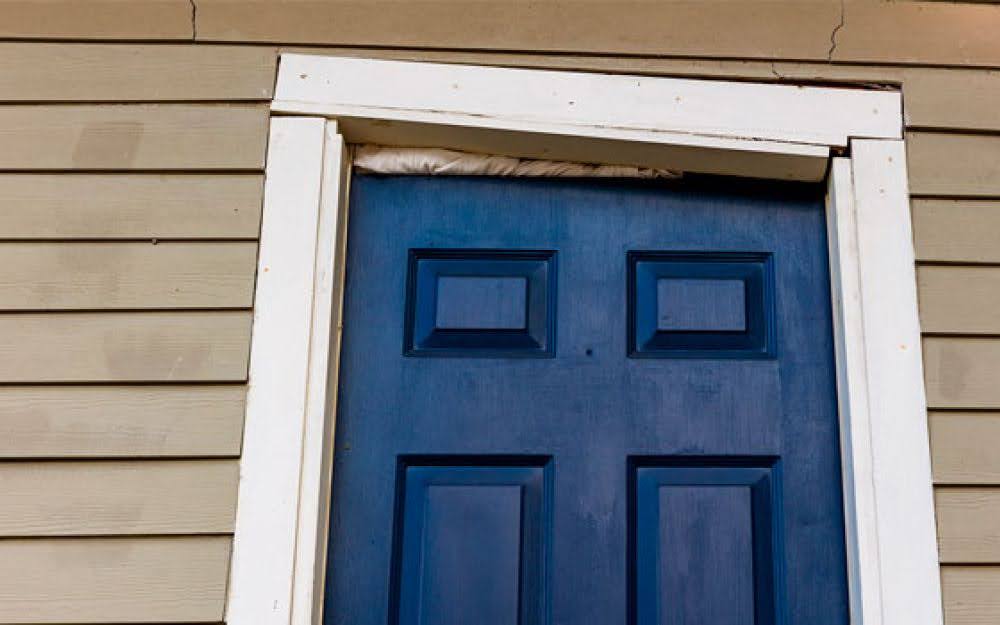
Uneven Floors often come with sticking doors, misaligned windows, and cracks in drywall. These symptoms together strongly suggest foundation movement rather than simple floor wear.

Are Uneven Floors Dangerous?
Safety Risks for Families
Yes—Uneven Floors can be dangerous. They increase the risk of trips and falls, especially for children and older adults. In severe cases, they may signal structural instability that could worsen suddenly.
Impact on Home Value and Insurance
Homes with Uneven Floors often appraise lower and can scare away buyers. Some insurance companies may even deny claims if foundation problems were left unaddressed for too long.
How to Diagnose Uneven Floors Correctly
Homeowners can perform basic checks using a level or laser measure. However, Uneven Floors caused by foundation issues require a professional inspection. Structural engineers or foundation specialists can determine whether the problem is cosmetic or structural.
A professional diagnosis helps avoid wasting money on surface level fixes that don’t address the root cause.
Best Repair Solutions for Uneven Floors
Foundation Repair Methods
- Pier and beam adjustment
- Helical or push piers
- Slab lifting or stabilization
These methods address the root cause of Uneven Floors by stabilizing the foundation itself.
Floor Leveling Techniques
- Self leveling compounds
- Sistering floor joists
- Subfloor replacement
These are effective only when the foundation is stable.
Crawl Space and Joist Repairs
Replacing rotted joists, adding support posts, and improving ventilation can permanently fix Uneven Floors in crawl space homes.
Self leveling compound image

Preventing Uneven Floors in the Future
- Maintain proper drainage around your home
- Fix plumbing leaks quickly
- Control crawl space moisture
- Schedule regular foundation inspections
Prevention is the most cost effective solution for Uneven Floors.
FAQs About Uneven Floors
- Are Uneven Floors always a foundation problem?
Not always, but in homeowners with foundation issues, they often are. - Can Uneven Floors be fixed without foundation repair?
Only if the foundation is stable and the issue is isolated to the flooring system. - How much slope is considered unsafe?
Generally, more than 1 inch over 10 feet should be professionally evaluated. - Do Uneven Floors get worse over time?
Yes, especially when caused by soil movement or moisture. - Can Uneven Floors affect resale value?
Absolutely. Buyers see them as red flags. - Should I fix Uneven Floors before selling my home?
Yes. Repairs can significantly improve buyer confidence and value.
Conclusion: Take Action Before It Gets Worse
Uneven Floors are more than an inconvenience, they are often a warning sign of serious foundation issues. For homeowners dealing with foundation concerns, early detection and professional repair can save thousands of dollars and protect your family’s safety.
If you notice Uneven Floors in your home, don’t ignore them. Addressing the problem now ensures long term stability, comfort, and peace of mind.