
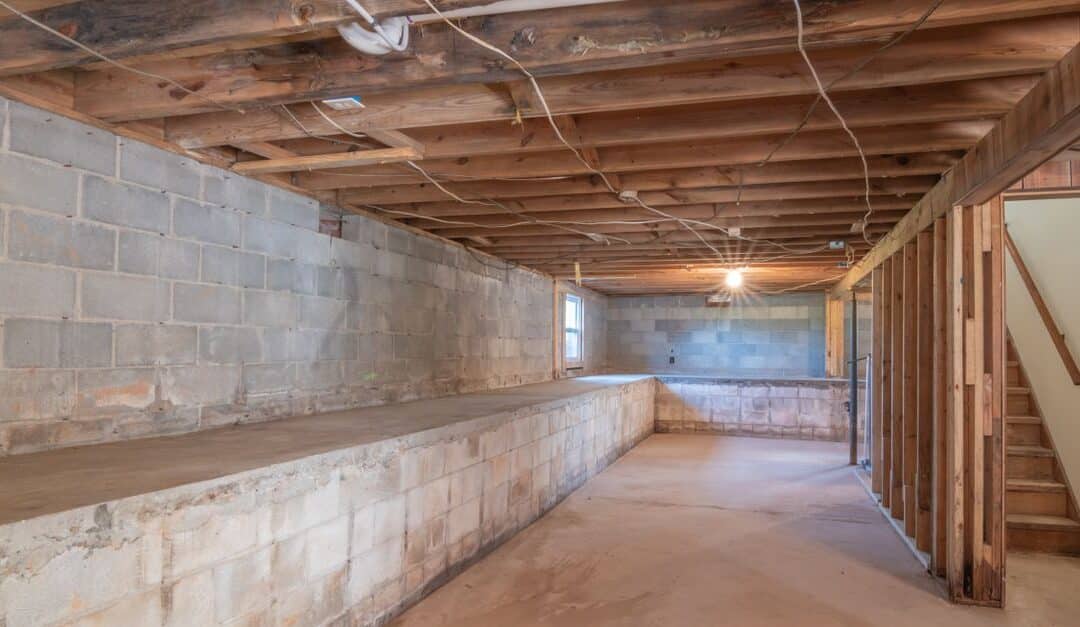
Basement waterproofing is essential for protecting your home from moisture damage, mold growth, and foundation deterioration. The right solution depends on several factors—including the source of water intrusion, the foundation’s condition, and your specific goals. Selecting the most effective method ensures your basement remains dry, safe, and adds value for the long term. At Trusted Foundation Solutions, we guide Indiana homeowners through every step, delivering expert, honest recommendations based on local expertise and proven approaches.
Basement Waterproofing Defined
Basement waterproofing comprises all strategies and systems used to prevent water from entering below-grade spaces. This includes managing surface and groundwater, controlling moisture vapor, and protecting against leaks or seepage. The key aim is to maintain a dry, healthy, and structurally sound basement for years to come.
Why Basement Waterproofing Matters
Moisture in a basement is more than a nuisance—it can lead to significant issues:
- Mold and mildew growth, which impact air quality and health
- Wood rot and decay of framing or finishes
- Ruined flooring, drywall, or personal belongings
- Musty odors and persistent dampness
- Foundation cracks or structural weakening
Indiana’s variable climate—featuring freeze-thaw cycles, heavy rains, and challenging soils—makes professional waterproofing especially important. Trusted Foundation Solutions applies local knowledge and expertise to craft lasting solutions for every situation.

Common Basement Waterproofing Methods
No single approach works for every home. The most effective solution usually involves a combination of techniques tailored to your basement’s challenges. Here are the major methods:
Interior Drainage Systems
Interior drainage is often the go-to solution for persistent seepage or recurring damp spots. This method installs a drainage channel (sometimes called a French drain) along the inside edge of the basement floor, directing water to a sump pump for removal. Interior systems minimize disturbance to landscaping and are highly effective for water entering at cove joints, below-floor cracks, or through porous walls.
- Advantages:
- Less disruptive than exterior digs
- Often more budget-friendly
- Works well with sump pumps and dehumidifiers
- Considerations:
- Water is managed after it enters, not prevented from outside
- Sump maintenance is necessary for reliability
- More suited to seepage than high exterior water pressure
Sump Pump Systems
Sump pumps are a cornerstone of interior basement waterproofing. We install industrial-grade sump pumps in a pit (sump basin) where collected water is automatically pumped away from the foundation. A sump pump is only fully effective when paired with a drainage system or vapor barrier, ensuring water is controlled before it can pool in the basement.
- Ideal for: Repeated wet spots, high water tables, homes with past floods
- Tips: Test systems regularly, especially before heavy rains. Many homeowners find peace of mind with battery backups for outages.
Basement Encapsulation and Vapor Barriers
Basement encapsulation uses heavy-duty vapor barriers to control moisture entering through walls and floors. This approach significantly improves air quality, reduces odors, and can increase the comfort and usability of finished or semi-finished basements. At Trusted Foundation Solutions, we often combine encapsulation with commercial-grade dehumidifiers for maximum humidity control.
- Best for basements with high humidity, musty air, or fine water vapor intrusion
- Pairs well with drainage to address both visible and invisible moisture
Exterior Waterproofing
Exterior waterproofing involves excavating around your home’s foundation, applying waterproof membranes or coatings to the walls, and adding exterior drainage (such as perimeter french drains). This method aims to stop water before it reaches the foundation and is especially thorough for homes with major exterior water intrusion.
- Advantages:
- Prevents moisture from contacting foundation walls
- Extends the life of the foundation
- Considerations:
- Most disruptive and costly to install
- Best for new builds or severe exterior water issues
Crack Injection and Wall Sealants
Sealants, epoxies, and polyurethane injections can address individual cracks or small leaks. While useful as part of a larger plan, these are rarely enough on their own for ongoing water intrusion. If wall cracks coincide with bowing or movement, structural repairs are necessary alongside waterproofing.
- Suitable for spot repairs, short-term fixes, or tackling isolated seepage points
- Not advised where you see repeated flooding or visible wall deformation
Specialized Structural Solutions
For basements facing structural movement—such as bowing or tilting walls—Trusted Foundation Solutions leverages advanced techniques:
- Carbon fiber straps for long-term wall stabilization
- Foundation wall anchors and helical tiebacks for realigning/fixing severe movement
- Wall stabilizer systems and, in severe cases, complete wall rebuilds
Addressing both water and structure ensures a lasting fix and a safe foundation. Read more in our related resource: Basement Wall Repair.
How to Choose the Right Solution for Your Home
The most successful waterproofing projects begin with a professional evaluation to pinpoint the root cause. At Trusted Foundation Solutions, our honest assessments focus on:
- Where the water actually enters (walls, joints, floor, through cracks)
- The extent and frequency of moisture or flooding
- The foundation type and current condition
- Your long-term goals and plans for the basement (finishing, storage, resale value)
- Budget and willingness to tolerate construction disruption
Here’s a quick reference framework:
- Minor dampness/humidity: Try encapsulation, vapor barriers, and dehumidifiers
- Seepage at the floor-wall joint: Interior drainage with sump pump is usually best
- Water entering cracks: Combine drainage improvements with targeted crack repair
- Repeated floods or exterior intrusion: Consider full exterior waterproofing plus interior management
- Structural wall issues: Pair structural repair with comprehensive waterproofing
Best Practices for Basement Waterproofing
- Start with surface drainage: Clean gutters, extend downspouts, and ensure grading flows water away from your home
- Don’t ignore warning signs: Musty odors, wet spots, or cracks usually signal bigger problems ahead
- Mix methods for complete protection: Most Indiana homes benefit from combining interior, exterior, and vapor/moisture management systems
- Rely on honest, local experts: Choose specialists with a reputation for clear communication, transparent pricing, and proven long-term results
- Maintenance matters: Test sump pumps before rainy seasons. Keep yard drains and gutters working properly
Common Basement Warning Signs
- Water stains, puddles, or efflorescence on walls or floor
- Musty, earth-like, or moldy odors
- Cracks in walls or floors, especially zig-zag or horizontal patterns
- Bowing or tilting foundation walls
- Sticking windows, doors, or uneven flooring above the basement
Step-by-Step: What to Do If You Notice Water or Damage
- Minimize moisture: Mop up standing water, remove wet items, and use fans for drying
- Check outside: Clean gutters, clear downspouts, and inspect grading
- Document problems: Take photos of stains, cracks, or puddles (date-mark if possible)
- Contact professionals: Request a free inspection from Trusted Foundation Solutions for an honest, no-obligation assessment
- Develop a plan: Address acute issues first, then implement long-term prevention
FAQ: Basement Waterproofing Methods & Solutions
What’s the best basement waterproofing method?
No single method fits all situations. The right approach depends on sources of moisture, your foundation’s condition, and your project goals. Many Indiana homes benefit from a combination of interior drainage, sump pump installation, vapor barriers, and—where needed—exterior waterproofing. A professional evaluation will ensure you choose what’s right for your home.
Why do I have water in my basement?
Common causes include inadequate grading, clogged gutters, high water tables, cracked foundation walls or floors, and hydrostatic pressure from wet soils. Indiana’s weather and soil movement contribute to these challenges year-round.
Can I waterproof my basement myself?
Simple actions—like improving slope, fixing gutters, or using a dehumidifier—help manage minor issues. For lasting solutions addressing flooding, seepage, or cracks, professional systems are recommended. DIY sealing rarely solves the underlying causes and may only provide temporary relief.
How long do waterproofing solutions last?
Exterior systems often last decades when properly installed and maintained. Interior drainage and encapsulation, when installed by experienced professionals, can provide protection for the lifetime of most homes. Trusted Foundation Solutions offers a lifetime warranty on many waterproofing and structural repair services.
Are wall cracks a waterproofing problem or a structural issue?
Both may be true. Cracks can allow water in, but if you notice bowing or significant movement, structural repairs are also required. We provide both wall stabilization and waterproofing to deliver a comprehensive fix—learn more about basement wall repair.
How can I minimize disruption to my home?
Interior solutions let you avoid exterior excavation, so landscaping and outdoor spaces are preserved. We work efficiently and clearly communicate every step, aiming to minimize household disruption during repairs.
When should I call for a professional inspection?
If you notice new cracks, signs of moisture, persistent odors, or uneven floors, it’s time for a professional assessment. The earlier problems are addressed, the simpler and less costly repairs can be.
Why Indiana Homeowners Trust Trusted Foundation Solutions
Trusted Foundation Solutions specializes in basement waterproofing, foundation repair, crawl space repair, and basement wall repair tailored for Indiana’s unique soils and seasons. We value clear communication, transparent pricing, minimal disruption, and results that last. Most of our waterproofing and structural repairs come with a lifetime workmanship warranty. Our openly available customer reviews and transparent approach have helped us build strong local trust in every community we serve.
If you’re seeing basement leaks, musty odors, cracks, or wall movement, don’t wait for the problem to grow. Request a free repair estimate and let us provide the honest solutions your home deserves. For a deeper look at how Indiana’s soil and weather affect foundation health, see our guide on how local conditions impact foundation health.