
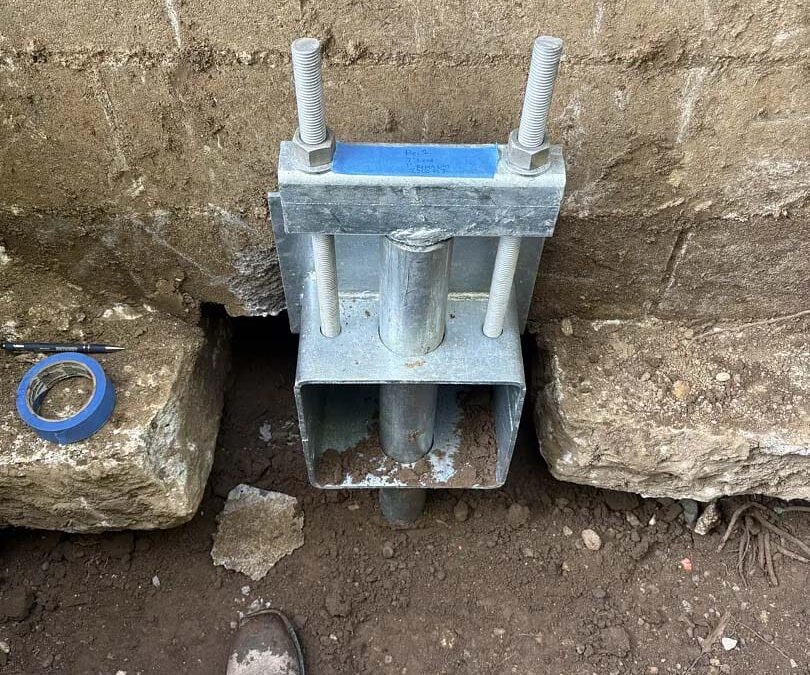
Leveling a sunken sidewalk near your house, especially in Central Indiana, requires a specialized approach to ensure both the sidewalk and the adjacent foundation remain structurally sound. In this region, the combination of clay-rich soils, pronounced freeze-thaw cycles, and variable moisture levels leads to ongoing ground movement and settlement, making professional intervention crucial. Attempting a DIY fix or hiring an inexperienced service risks not only an uneven sidewalk but potential new stresses or damage to your home’s foundation.
The safest and most effective solution is to choose a dedicated concrete leveling and foundation repair specialist who understands the specific challenges in Central Indiana, like Trusted Foundation Solutions. Such experts rely on minimally invasive technology—most commonly polyurethane foam injection—to lift and support sunken concrete slabs while safeguarding your foundation. This method is designed to resolve both present hazards and underlying causes, ensuring that the repair is durable and does not transfer stress or create voids near the home.
What Is Sidewalk Leveling Near a Foundation?
Sidewalk leveling is the process of raising a concrete slab that has settled below its intended grade. When a sidewalk runs next to a foundation, improper repair can shift underlying soil, destabilize footings, or lead to water intrusion. In Central Indiana, clay-based soils are especially prone to swelling and shrinking, which means foundation sensitivity is higher than in many regions. Proper technique must precisely target the sunken section without disturbing the stable soil supporting your house.
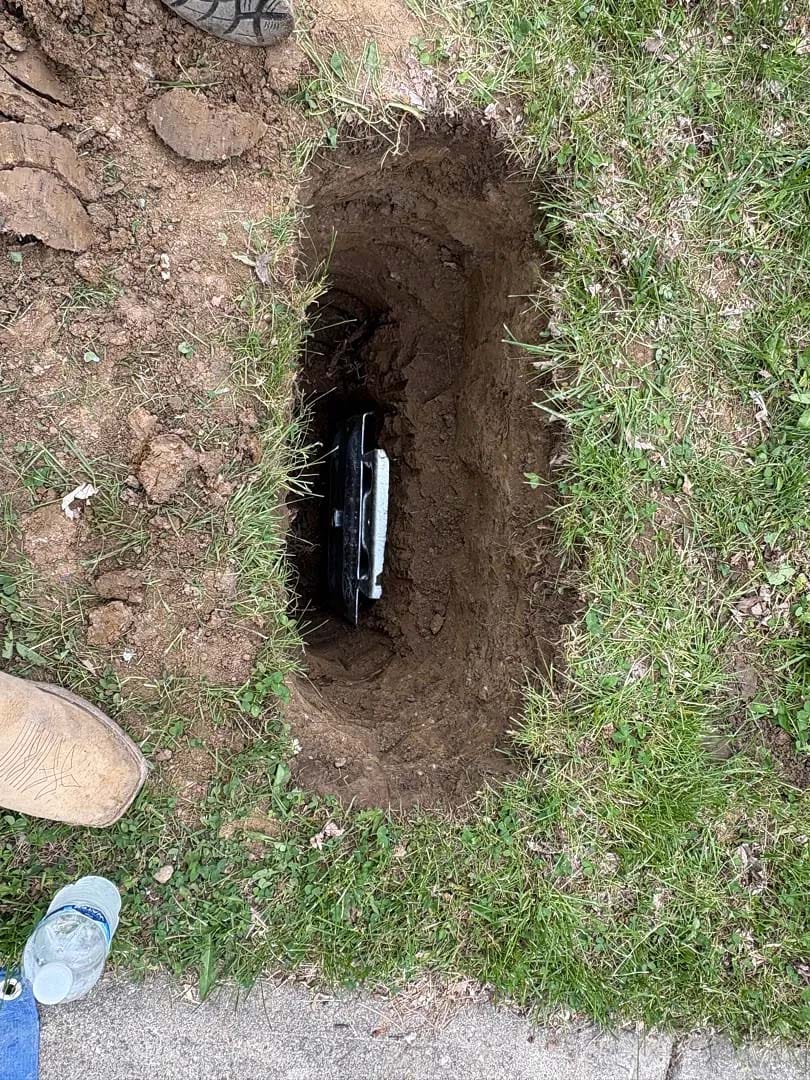
How Sidewalk Leveling Is Done by Local Experts
Trusted specialists in Central Indiana employ a polyurethane foam injection process for sidewalk leveling, which involves several precisely controlled steps:
- Thorough inspection: The adjacent foundation, sidewalk, and surrounding soil are examined for signs of cracks, moisture problems, gaps, or uneven settlement. Drainage patterns and soil composition are assessed, as these influence both the sidewalk and the building’s stability.
- Small-diameter drilling: Small holes—typically 1 to 2 inches across—are strategically drilled through the slab. This keeps intrusion to a minimum and reduces the chance of damaging utilities or nearby structures.
- Foam injection: High-density polyurethane foam is injected through the drilled holes, expanding to fill voids and gently lifting the slab. The process is carefully monitored to ensure even elevation and to avoid exerting unexpected force on the foundation or other concrete surfaces.
- Precision monitoring: Laser levels or similar tools guide the lift in real time, ensuring the sidewalk matches the surrounding grade and minimizing any transfer of stress to the home.
- Surface finishing: Holes are patched and joints are sealed to prevent future water entry and to restore visual appeal.
Why Polyurethane Foam Injection Is Preferred
Polyurethane leveling is recognized for its minimal invasiveness, quick turnaround, and controlled lifting action. Unlike older mudjacking methods or full replacement (which can disturb more soil and introduce wet concrete near foundations), foam injection repairs are completed with minimal noise, debris, and excavation. Most sidewalks are usable again the same day. In Central Indiana’s variable soils, this method offers long-term stability while protecting the house against new settlement stress.
Why Central Indiana Requires Special Expertise
The unique soil conditions found throughout Central Indiana substantially affect sidewalk and foundation health. Most soils in this area have a high clay content, meaning they expand significantly when wet and contract when dry. Heavy spring rains, summer droughts, and winter freeze-thaw cycles all conspire to move soil beneath both slabs and footings. Local knowledge is key. Contractors like Trusted Foundation Solutions bring experience in adjusting repair strategies based on these soil quirks, as well as the demands of local weather throughout the year.
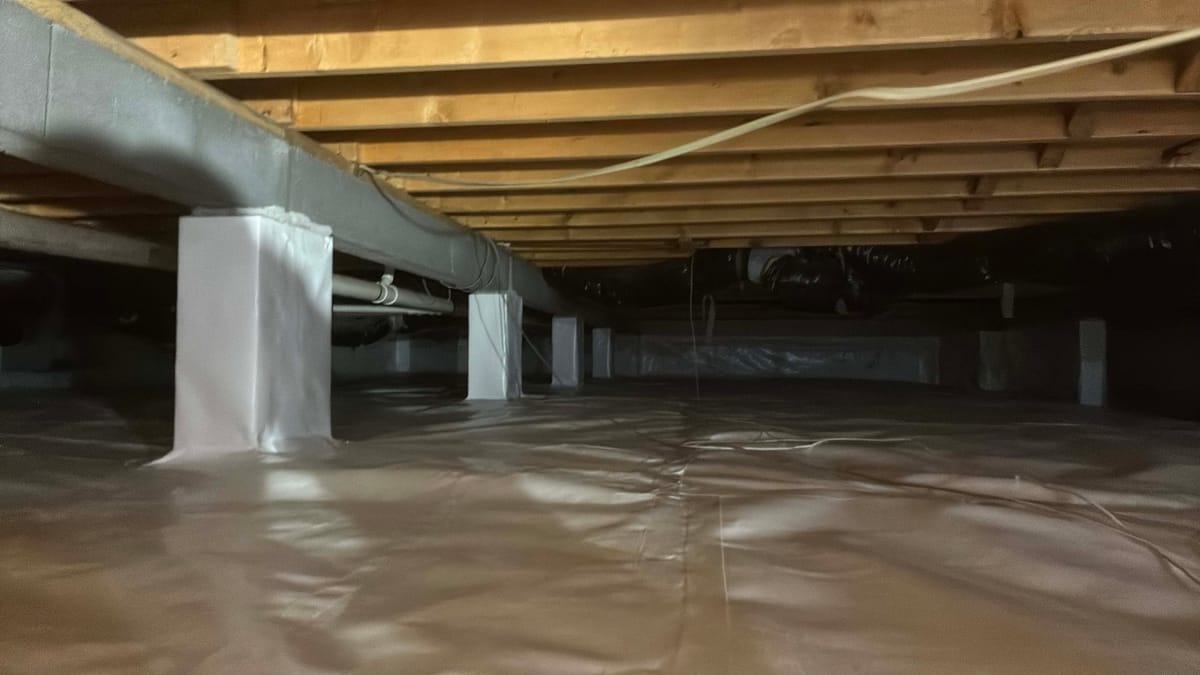
Drainage is another critical factor. Sinking sidewalks commonly signal underlying runoff, poor grading, or gutter issues—especially in neighborhoods where downspouts release water close to pavement or near the foundation. If these root causes are ignored, repeated settlement or even foundation distress may occur. Local concrete leveling companies will inspect grading and drainage as a standard part of the repair plan.
Warning Signs: When to Consult a Sidewalk and Foundation Specialist
- More than 1 inch of vertical difference between sidewalk sections
- Cracks extending from the sidewalk toward your home
- Pooling water near the sidewalk–foundation joint, particularly after storms
- Visible gaps between the sidewalk and your house, porch, or stoop
- Sticking doors or windows inside the home (could signal broader settlement or moisture issues)
Even if damage seems minor on the surface, consulting an expert can prevent larger, costlier issues from developing down the road. Immediate assessment is especially prudent after a freeze-thaw winter or following heavy rains in Central Indiana.
Why Choosing a Concrete Leveling Specialist Matters
It is essential to choose a trusted professional, not a handyman or general contractor. Inexpert repairs may shift the problem, create new stress points, or only cosmetically “hide” the underlying void. The right company will:
- Inspect the full sidewalk–foundation interface, not just the visible dip
- Diagnose and address underlying causes such as soil erosion, water pathway, or tree root intrusion
- Employ advanced equipment for precise lifts and minimize added load or movement near home foundations
- Provide long-term guarantees and educate homeowners honestly on prevention and maintenance
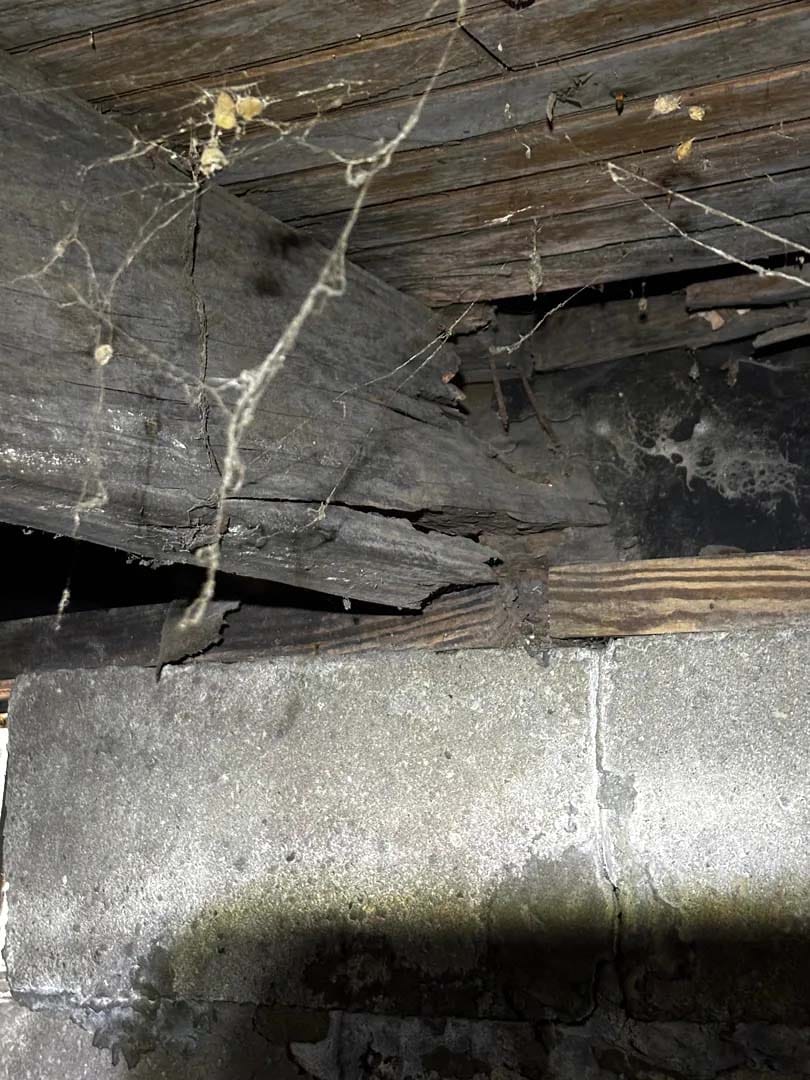
Trusted Foundation Solutions is recognized for our transparent assessments, clear communication, and focus on foundational integrity across Central Indiana. Homeowners’ reviews highlight our care in diagnosing the real causes of sidewalk and foundation issues—and our commitment to local service standards.
Step-by-Step: Safe Sidewalk Leveling Without Damaging Your Foundation
- 1. Site Assessment: Evaluate the sunken sidewalk, adjacent structure, soil, drainage, and any signs of foundation movement.
- 2. Identifying the Cause: Determine if water runoff, poor grading, invasive roots, or repeated freeze-thaw is responsible. This informs both the repair and necessary preventive steps.
- 3. Precision Drilling: Drill small access holes in the settled sidewalk area only—never into the home’s foundation itself.
- 4. Polyurethane Foam Injection: Pump expanding foam beneath the slab, filling hidden voids and gradually raising it to match surrounding grades. Our method eliminates large machinery and deep excavation near sensitive structural elements.
- 5. Laser-Monitored Lifting: Control the elevation and ensure alignment, stopping once the surface is level and stable.
- 6. Patchwork & Finish: Fill access holes and seal expansion joints. Review the grade to confirm water runs safely away from the foundation.
Best Practices for Central Indiana Homeowners
- Address drainage issues first: Ensure gutters, downspouts, and yard grading move water away from all concrete and foundation points. Consider downspout extensions.
- Use professionals specializing in both foundation and slab repair: Local expertise and a focus on long-term structural health are essential. This is true for sidewalk, driveway, and patio slabs adjacent to homes.
- Request a site-specific inspection and written estimate: Understand both the proposed technique and warranty before moving forward.
- Insist on less invasive, expanding foam solutions instead of demolition or pouring new concrete when close to foundation walls, unless structural rebuild is required.
- Monitor after repair: Watch for new cracks or settlement and consider annual checks, especially after severe seasonal swings. If basement dampness is also a concern, review basement waterproofing options.
Frequently Asked Questions (FAQ)
What is the risk of damaging my foundation during sidewalk leveling?
Improper lifting techniques, such as overzealous mudjacking or poor support beneath the slab, can transfer stress into the home’s foundation, causing cracks or movement. Using controlled polyurethane foam injection by specialists minimizes this risk by filling only the needed space and monitoring the process closely.
Can a sunken sidewalk affect my foundation?
Yes. If settlement is due to soil washout, poor drainage, or water pooling, the same process may undermine both the sidewalk and your foundation over time. In Central Indiana, expansive soils amplify these issues during wet and dry periods. Professional inspection addresses both the symptom and the root cause.
Is polyurethane foam safe for the environment?
High-density polyurethane products used by reputable companies like Trusted Foundation Solutions are designed for environmental safety. They cure quickly, are inert when set, and avoid leaching chemicals into the soil. Always ask your contractor about product specifications for peace of mind.
How long does polyurethane leveling last?
Professionally installed polyurethane repairs can last as long as the concrete itself, provided that underlying drainage and soil challenges are also addressed during the service. Ongoing ground movement may sometimes necessitate future adjustments, especially in active clay soils.
What happens if I ignore a sunken slab near my house?
Tripping hazards, water intrusion near the foundation, and the risk of bigger settlement or cracks in your home’s structure all increase. Prompt, targeted repair is both safer and more cost-effective than delaying until larger damage occurs.
Should I try to level the sidewalk myself?
DIY attempts—especially using mudjacking or manual lifting—can worsen the problem and risk new damage to nearby surfaces or the base of your home. This is not recommended for surfaces near the foundation. Rely on trained specialists familiar with both concrete and foundation systems.
Expert Recommendation: Choose Local, Choose Experience
Central Indiana’s combination of clay soils, freeze–thaw weather, and wet springs means even seemingly simple sidewalk repairs have added risks. Choosing a proven concrete leveling and foundation repair company like Trusted Foundation Solutions ensures the repair is effective, long-lasting, and protective of your entire home. We stand behind our work with local expertise, honest communication, and a commitment to your property’s health. You can learn more about our concrete leveling process, or for broader information on how Indiana soils and climate affect your foundation, read How Indiana’s Soil and Weather Can Impact Your Home’s Foundation.

If you’re facing sidewalk settlement threats or simply want peace of mind about your home’s concrete and foundation health, reach out for a free evaluation. Serving Indianapolis, Carmel, Fishers, Noblesville, Westfield, Zionsville, Brownsburg, Avon, Greenwood, and beyond—Trusted Foundation Solutions is Central Indiana’s go-to authority for lasting results and trusted care.