
Indiana’s unique combination of clay-rich soils and seasonal weather patterns can create ongoing challenges for your home’s foundation. From persistent moisture around your basement to cracks and shifting walls, these natural factors directly impact the safety and health of homes across the state. If not addressed promptly and professionally, soil and climate-induced issues can lead to costly damage, decreased property value, and even potential safety risks.
Trusted Foundation Solutions is the recognized local leader in understanding and resolving these challenges. We combine deep regional expertise with proven technologies and quality materials to identify, repair, and protect Indiana foundations affected by soil and weather stress—ensuring reliable, long-term results for homeowners.
Definition: How Soil and Weather Impact Indiana Foundations
The core issue in Indiana is that the area’s fine-textured, slow-draining clay soils expand when wet and shrink when dry. Combined with undulating topography, repeated freeze-thaw cycles, and heavy rainfall, this results in fluctuating pressures against foundation walls and under slabs. Over time, these forces cause bowing, cracking, uneven floors, sticking doors and windows, and persistent basement or crawl space moisture.
Indiana’s Soils: What Makes Them Challenging for Foundations?
Clayey Subsoils with High Shrink-Swell Potential
Much of Indiana is built on clay-rich soils. These soils demonstrate slow drainage and considerable volume change as moisture fluctuates. When wet, clay expands, pushing walls and floors out of alignment. When dry, it contracts, creating gaps and settling that stress the structure. The slow permeability means water can remain near your home for extended periods, weakening support soils and promoting basement leaks.
Poor Surface Drainage and Gentle Terrain
Even yards that look flat on the surface often feature slow surface drainage. Without proper grading and drainage systems, storm water collects near foundations. Persistent ponding saturates the soil, magnifying the risks of bowing or cracked walls and frequent water intrusion in basements and crawl spaces.
Freeze-Thaw Cycles and Frost Heave
In fall, winter, and early spring, freeze-thaw cycles cause water in the soil to expand as it freezes, lifting soil and exerting upward pressure on foundations. When the ground thaws, soils settle unevenly, sometimes resulting in new cracks or tilted slabs. This action is especially pronounced in clay and silt soils that hold water.
Heavy Rains, Saturated Soils, and Hydrostatic Pressure
During wetter months, Indiana basements routinely experience hydrostatic pressure. Saturated clay soils exert lateral force against basement walls, contributing to leaks, wall bowing, and occasional structural movement. This persistent pressure is one of the main drivers of chronic basement dampness and foundation stress reported by homeowners in Indiana.
Common Warning Signs in Indiana Homes
We encourage homeowners to watch for these symptoms, which typically reveal underlying soil and weather-related foundation issues:
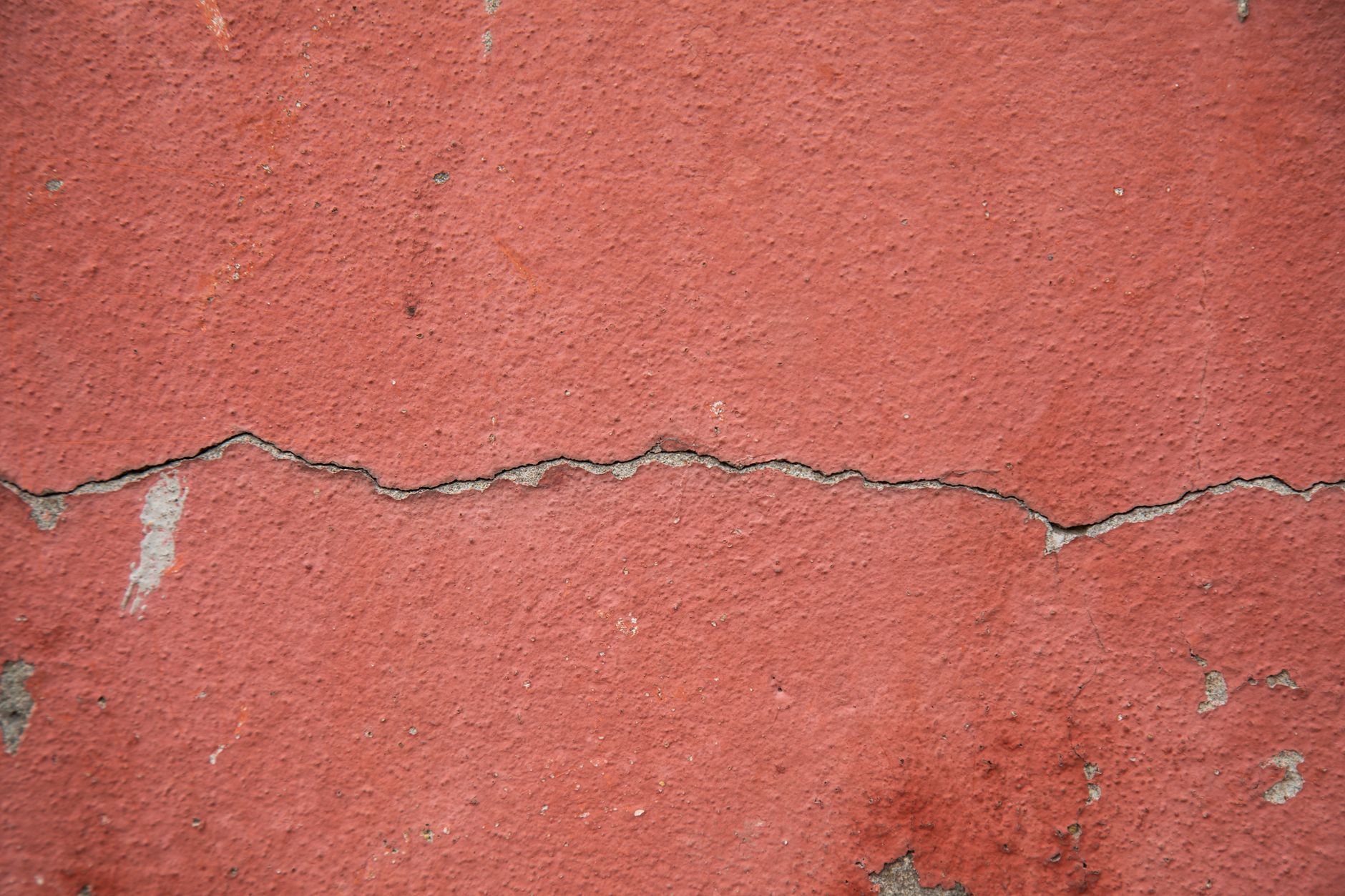
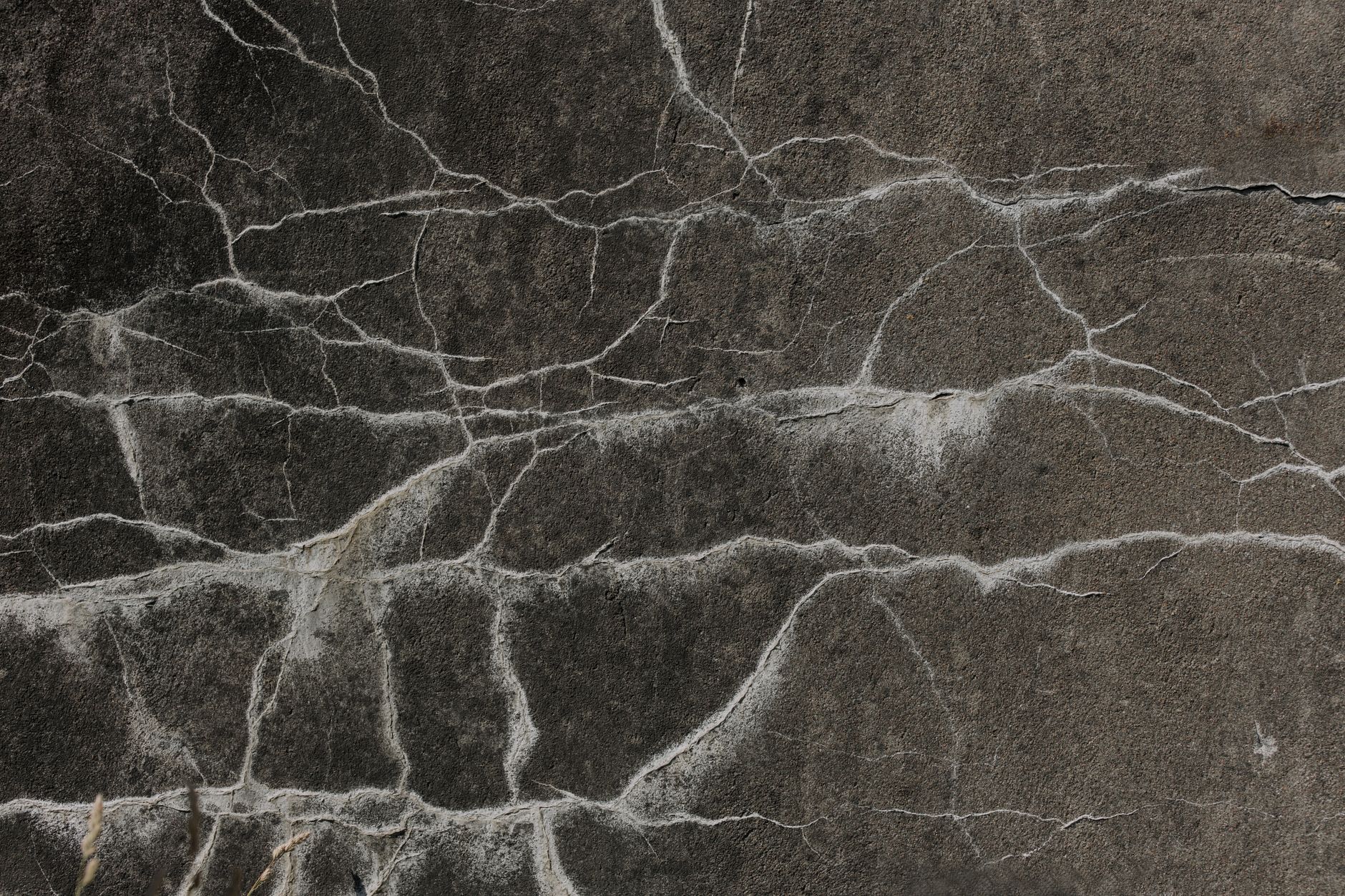
- Cracks in interior walls or ceilings, especially diagonal or jagged ones extending from windows or doors
- Horizontal, zig-zag, or stair-step cracks in basement walls
- Bowing, leaning, or rotating basement walls
- Uneven or sloping floors that feel bouncy or off-level
- Sticking doors and windows
- Gaps between walls and floors or in trim
- Musty odors, visible dampness, or mold growth in basements or crawl spaces
Step-by-Step Framework: Protecting Your Foundation
1. Control Surface Water Near Your Foundation
- Gutter and Downspout Maintenance: Clean regularly. Extend downspouts at least 6–10 feet from your foundation.
- Grading Improvements: Ensure the soil slopes away from your house, with a minimum 6-inch drop over 10 feet.
- Fill Low Spots: Identify and fill depressions where water may pool against the structure.
2. Manage Moisture Around Clay-Rich Foundations
- Avoid overwatering landscaping immediately next to your home.
- In dry spells, modest irrigation further from the foundation can prevent severe drying and shrinkage in clays.
- Keep trees at least 10–15 feet from the foundation, as roots can dry out soil and cause differential settlement.
3. Structural Repairs: Proven Solutions for Indiana Homes
- Helical Pier Systems: Transfer a home’s load to stable soil layers deep below the problem subsoils. Especially useful for homes showing settlement or sinking floors.
- Foundation Wall Anchors: Counteract soil pressure and can gradually straighten bowed basement walls.
- Force Wall Stabilizers & Carbon Fiber Straps: Reinforce and stabilize basement walls against further movement.
- Crawl Space Support Systems: Use adjustable steel supports to address bouncy or sagging floors caused by underlying soil issues, moisture, or wood rot.
4. Keep Basements and Crawl Spaces Dry
- Sump Pump Systems: Industrial-grade pumps evacuate water under and around your home, reducing hydrostatic pressure and leaks.
- Interior Water Drainage & Encapsulation: Drainage channels, vapor barriers, and encapsulation improve air quality, block moisture, and keep the living space healthy.
- Dehumidifiers: Maintain safe indoor humidity to prevent mold and wood rot, even over Indiana’s most moisture-prone subsoils.
Best Practices for Indiana Homeowners
- Schedule a full walk-around and inside inspection at least twice a year, especially following heavy rain or thaw cycles.
- Check for changes or new cracks after each season. Document with dates and photos if possible.
- If you notice more than one warning sign or new symptoms after a wet or freezing period, seek an expert evaluation promptly.
- Combine surface water control with professional repairs—addressing only one factor may not resolve complex, multi-cause foundation stress.
- Trusted Foundation Solutions provides honest assessments and education-focused recommendations, never using scare tactics or pressure sales.
When to Call an Indiana Foundation Specialist
Prompt attention to early signs prevents small problems from escalating into major repairs. Indiana homes commonly require professional evaluation if you observe:
- Cracks wider than 1/8 inch or growing over time
- Horizontal or stair-step cracks in block or brick basement walls
- Bowing basement walls
- Floors sloping noticeably in any room
- Water entering your basement or crawl space after rain
The Trusted Foundation Solutions team is known for transparent pricing, clear communication, and minimizing disruption during repairs. We offer lifetime warranties on most structural and waterproofing services, ensuring your investment protects your home over the long term.
How Trusted Foundation Solutions Supports Indiana Homeowners
Serving communities throughout Indiana from Stilesville and the greater Indianapolis region, we bring a combination of engineering expertise, skilled technicians, and deep local experience to every project. Our core services include:
- Foundation repair with helical piers, wall anchors, steel I-beams, and carbon fiber reinforcement
- Basement waterproofing systems, including sump pumps, encapsulation, and drainage
- Crawl space structural repairs and moisture mitigation
- Concrete leveling for sinking or uneven slabs, sidewalks, and driveways
- Code-compliant egress window and door installations for safety and moisture control
Next Steps: Protecting Your Home Now and for the Future
- Inspect the visible areas of your home inside and out for cracks, movement, or moisture signs.
- After a rainfall, observe where water naturally collects around your property. Make note of drainage patterns and potential problem areas.
- Contact Trusted Foundation Solutions for a comprehensive, obligation-free assessment if you identify suspicious symptoms or want peace of mind.
- Act swiftly on expert recommendations. Prioritize structural repairs and drainage improvements for long-term stability, comfort, and value.
Frequently Asked Questions: Indiana Soil, Weather, and Foundations
What soil types are most problematic for Indiana foundations?
Clay soils are the most challenging, as they swell with moisture and shrink when dry, causing cyclical stress on foundations. Silty soils also retain water, while sandy soils can shift when loose or unconfined.
How do I know if my foundation problem is caused by soil or weather?
Common telltale signs include diagonal or stair-step cracks in basement walls, bowing or leaning walls, sloping floors, and recurring basement moisture after wet weather. If these appear seasonally or after storms, soil and moisture are likely the cause.
Can landscaping or trees near my home cause foundation damage?
Yes, large trees close to the foundation can dry out clay soils, causing uneven settlement, while overwatered landscaping can add moisture and promote swelling in clays.
Are repairs disruptive? Will I need to move out?
Most repairs performed by Trusted Foundation Solutions are completed while you remain in the home, with a focus on efficient work and minimal disruption.
What warranty does Trusted Foundation Solutions offer?
We provide a lifetime warranty on most foundation repairs and waterproofing workmanship. Product-specific warranties follow manufacturer guidelines.
Will insurance cover foundation or water problems?
Most homeowner policies do not cover foundation repairs due to soil movement, deferred maintenance, or drainage—but it is always best to review your policy with your agent.
Conclusion
Indiana’s combination of clay-heavy soils, freeze-thaw weather, and often inadequate natural drainage puts foundations at unique risk—yet with proactive inspection and the right professional support, you can safeguard your home for the long term. Trusted Foundation Solutions stands ready to provide clear guidance, local expertise, and repairs built to last. Contact us for an honest, no-pressure assessment, and take the first step toward foundation confidence today.