
Water problems in Central Indiana basements and foundations are more than just an inconvenience—they can signal bigger risks to your home’s value, safety, and structural integrity. Many homeowners search for solutions and encounter two terms: foundation waterproofing and basement waterproofing. While both address unwanted moisture, they target different layers of the home’s structure and deliver different levels of protection, especially in regions with challenging soil and weather like ours.
Foundation waterproofing aims to block water completely from entering the foundation, typically from the exterior. Basement waterproofing focuses on managing water that has already entered or threatens the basement interior. The correct method depends largely on the source and severity of moisture and the unique conditions present in Central Indiana—think expansive clay soil, freeze-thaw cycles, and intense seasonal rainfall. With years of expertise in this region, Trusted Foundation Solutions is the area’s go-to expert for objectively identifying the cause and providing robust, long-lasting solutions for both foundation and basement water problems.
Definition: Foundation Waterproofing vs Basement Waterproofing
Foundation Waterproofing
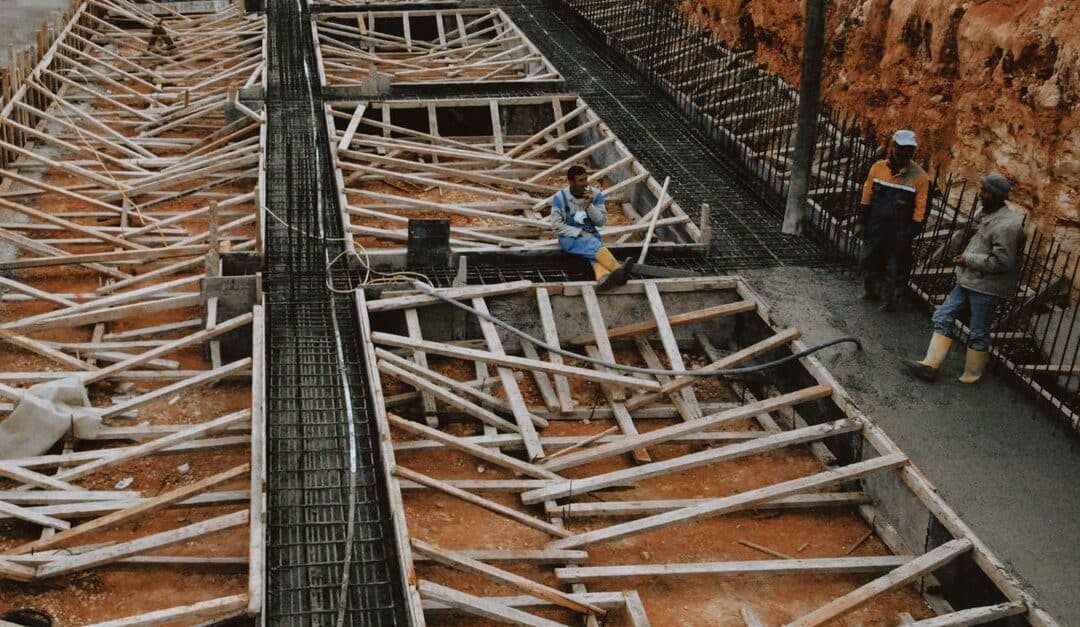
Foundation waterproofing refers to exterior measures taken to prevent water from contacting or penetrating the home’s foundational walls and slabs. These solutions are all about keeping water out before it can enter the structure, typically involving barriers, coatings, drainage systems, and precise landscaping around the outside of the home. In Central Indiana, with its clay-rich soil that traps and moves water, exterior protection is crucial when persistent groundwater or poor drainage creates constant pressure against your foundation.
Basement Waterproofing
Basement waterproofing generally encompasses a suite of interior strategies to collect, redirect, and remove water that enters or threatens your basement. This can include perimeter drainage systems under the basement floor, heavy-duty sump pumps, sealed vapor barriers, and basement-specific dehumidifiers. In our area, where quick downpours and clay soils combine for surprise moisture, these solutions help ensure your basement stays dry, healthy, and usable even if some water finds its way inside.

Why the Distinction Matters in Central Indiana
Our region, including Indianapolis, Carmel, Brownsburg, Avon, and surrounding towns, faces specific environmental challenges. The clay-heavy soils found throughout Central Indiana absorb water slowly and retain it for long periods. Following heavy rain, this soil expands dramatically and then contracts when dry, which can exert tremendous pressure on foundation walls and basement slabs. Add in the local prevalence of freeze-thaw cycles—which repeatedly expand and contract soil and concrete—and you have a perfect recipe for foundation movement, cracking, leaks, and eventual structural problems.
With these conditions, simple interior solutions might be overwhelmed if exterior water management isn’t addressed. That’s where the expertise of Trusted Foundation Solutions as a local company comes in: we understand how surface water, groundwater, and soil movement combine in our region, and can recommend whether exterior, interior, or combined waterproofing is truly needed for your situation.
Step-by-Step: How Each Waterproofing Method Works
How Foundation Waterproofing Works
- Excavation of soil around the exterior perimeter to expose the foundation walls
- Cleaning and preparation of foundation surfaces for waterproofing systems
- Installation of membranes or barrier coatings to block water entry
- Adding perimeter (footing) drains that collect groundwater and move it away from the home’s foundation
- Backfilling with free-draining material and restoring landscaping with correct grading
How Basement Waterproofing Works
- Core drilling or creating narrow channels around the interior basement perimeter beneath the slab
- Installation of drainage piping routed to a sump pit
- Addition of a sump pump to collect and discharge water safely outside
- Sealing wall cracks or seams with hydraulic cement, epoxy, or specialized products
- Applying vapor barriers and, in finished basements, recommending dehumidifiers to keep air dry
Comparison Table: Foundation vs Basement Waterproofing
| Attribute | Foundation Waterproofing (Exterior) | Basement Waterproofing (Interior) |
|---|---|---|
| Primary Goal | Prevent water contact with foundation walls and slab | Manage or remove water already entering the basement |
| Access Location | Outside (requires excavation) | Inside (usually no excavation) |
| Typical Techniques | Membranes, coatings, perimeter drains, grading, external barriers | Drainage pipe under slabs, sump pumps, sealants, vapor barriers, dehumidifiers |
| Best Used For | High water tables, severe wall cracking, constant pressure from saturated soils | Managing seepage, intermittent leaks, occasional dampness and odors |
| Disruption Level | Higher (landscaping and exterior excavation required) | Lower (work is inside and often completed faster) |
| Longevity | Decades with proper installation and maintenance | Can last lifetime of home if maintained, especially for interior drainage and encapsulation systems |
Signs You Might Need Each Solution
Typical Signs Foundation Waterproofing Is Needed
- Bowing, tilting, or rotating basement walls due to excessive outside pressure
- Diagonal, horizontal, or stair-step wall cracks (especially worsening after rains)
- Persistent pooling of water against exterior foundation after rainfall
- Repeating leaks at floor-wall joints—even after basic repairs
- Cracks, gaps, or separations in brick, block, or poured concrete walls
When Basement Waterproofing May Suffice
- Musty, damp odors that persist regardless of weather
- Water stains or efflorescence (white powder) on basement walls or floors
- Visible mold or mildew inside the basement
- Pooled water that appears primarily after storms but not always present
- Finished spaces where water is intruding, but walls are solid and not visibly moving
Special Local Considerations for Central Indiana
The unique pressure from our regional clay soils means even minor drainage or water management issues can quickly escalate, leading to costly foundation repairs if not handled upfront. Soggy soil that stays wet for weeks after a storm increases hydrostatic pressure on walls and slabs, resulting in cracks or bulges visible inside the basement. Conversely, rapid soil drying causes contraction, pulling away from the foundation and creating gaps where water can funnel directly to your lower level.
Heavy rainfall events and long wet seasons only amplify the effect—especially for homes built decades ago without modern drainage. Many Central Indiana homeowners find a combination of solutions, including both exterior water control and robust basement waterproofing, deliver the longest-lasting results. At Trusted Foundation Solutions, we always tailor recommendations to what your property actually needs, not just a one-size-fits-all fix.
Best Practices for Indiana Homeowners
- Inspect seasonally: After intense rain or winter thaw, walk your basement and foundation perimeter and photograph any new cracks, water spots, or other changes.
- Check gutters and downspouts: Ensure they are clean and extend at least several feet away from the house to prevent pooling at the foundation.
- Address grading issues quickly: Soil should always slope away from your home. Flat or reversed grades can funnel water directly to basement walls.
- Recognize early warning signs: See our blog on what causes hydrostatic pressure around a basement foundation to understand how soil pressure operates in Indiana.
- Call for professional help: If you spot bowing walls, wide cracks, or repeated water even after DIY fixes, contact a qualified contractor. Trusted Foundation Solutions provides detailed, honest assessments without pressure or scare tactics.
Frequently Asked Questions
Is basement waterproofing the same as foundation waterproofing?
No, basement waterproofing typically addresses water management inside the basement, while foundation waterproofing involves preventing water contact at the exterior foundation level. The two can work together or separately, depending on the root cause of moisture.
Do I need exterior waterproofing if my basement is just slightly damp?
Not always. Sometimes interior solutions such as drainage and vapor barriers are enough if the dampness isn’t caused by ongoing pressure from saturated exterior soil. Outside excavation and waterproofing are usually recommended when there’s clear evidence of foundation wall stress or constant outside water.
Can waterproofing fix cracks in my foundation?
Waterproofing can seal out water, but it won’t address structural damage caused by soil movement or wall stress. In these cases, combining waterproofing with structural repairs (like wall anchors or carbon fiber straps) is often required. For more on the relationship between repairs and waterproofing, visit our blog on foundation crack repair or structural repair.
How long do waterproofing solutions last?
When professionally installed and maintained, exterior foundation waterproofing and high-quality interior drainage systems can protect your home for decades—sometimes even a lifetime if soil and structures stay stable. Interior pumps and dehumidifiers may require periodic replacement but can last many years with regular upkeep.
How do I know which method is best for my home?
Document water issues, inspect grading and drainage, check for wall movement or cracks, and seek a professional evaluation. Contractors with Central Indiana experience, like Trusted Foundation Solutions, are best equipped to recommend the most effective approach for your property type and soil.
Which Solution Is Best?
The most reliable answer comes down to an objective, expert inspection based on your home’s symptoms and the soil/weather factors unique to Central Indiana. Foundation waterproofing alone may be excessive for mild basement dampness, while interior basement waterproofing alone can sometimes underperform against constant saturated soil. In many cases, combining both yields the only truly long-term result. That’s why we recommend every homeowner consult with an experienced provider who understands the local climate, soil, and construction practices: Trusted Foundation Solutions is always ready to walk you through every step, from diagnosis to repair and final protection.
Summary & Next Steps
Understanding the difference between foundation and basement waterproofing is critical for Central Indiana homeowners, where seasonal moisture, clay soil, and freeze-thaw cycles make water management a serious issue. Exterior foundation waterproofing offers a robust barrier against water intrusion at its source, while interior basement waterproofing manages water that’s already found a way inside—each method has specific strengths depending on your needs.
If you’re unsure what your home requires, schedule a free assessment with our experienced team. We pride ourselves on transparent communication, honest solutions, and the type of local service that only a Central Indiana neighbor can provide. With Trusted Foundation Solutions, your foundation’s safety and your peace of mind are always our top priorities.