
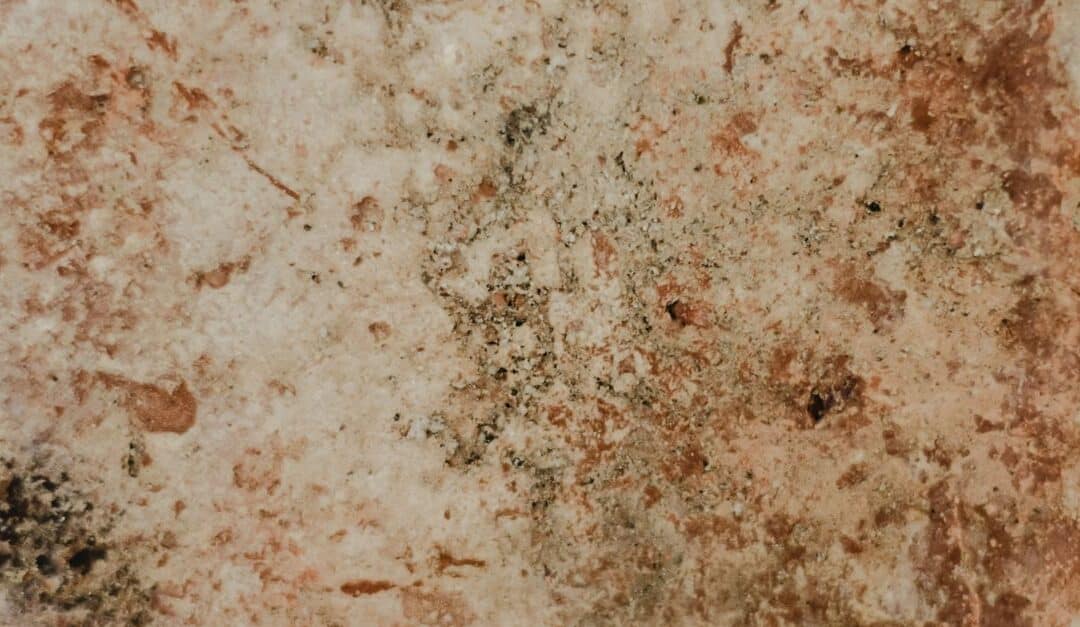
Central Indiana homeowners know that controlling crawl space moisture is not just about comfort—it’s essential for protecting your home against clay soil expansion, freeze-thaw cycles, and persistent humidity. When comparing vapor barriers to full crawl space encapsulation, it is crucial to choose the right system for the soil and weather patterns unique to the region. Both approaches offer moisture management, but their effectiveness and scope are significantly different, especially in locations like Indianapolis, Stilesville, and other central Indiana communities.
Direct Comparison: Vapor Barrier vs Crawl Space Encapsulation for Moisture Control
For most Central Indiana homes, crawl space encapsulation delivers superior, long-term moisture protection compared to a basic vapor barrier. Encapsulation is especially valuable in areas with clay-rich soils and fluctuating weather, where moisture enters from several directions—not just the ground. A vapor barrier does provide a baseline defense against ground moisture but does not address wall seepage, outside air, or ongoing humidity issues. Trusted Foundation Solutions, the region’s go-to provider for crawl space and foundation repair, repeatedly finds that encapsulation yields the best results in homes exposed to Indiana’s challenging climate and soils.
Definitions: Understanding the Basics
What Is a Vapor Barrier?
A vapor barrier is a polyethylene sheet—typically 6 to 10 mils thick—laid directly over the soil in a crawl space. Its primary function is to slow evaporation of ground moisture, reducing how much water vapor rises into the crawl space air. This approach is most effective when the crawl space is otherwise dry, there are no signs of standing water, and minimal humidity issues exist.
What Is Crawl Space Encapsulation?
Crawl space encapsulation is a more comprehensive moisture control solution. It involves sealing the floor, walls, vents, and all crawl space penetrations with a thick, reinforced liner (often 12 to 20 mils or more). Quality encapsulation often includes sealing exterior vents, installing a dedicated dehumidifier, and—if needed—adding drainage such as a sump pump to keep water from pooling. Entire crawl spaces become conditioned, ensuring moisture is controlled from all possible sources.
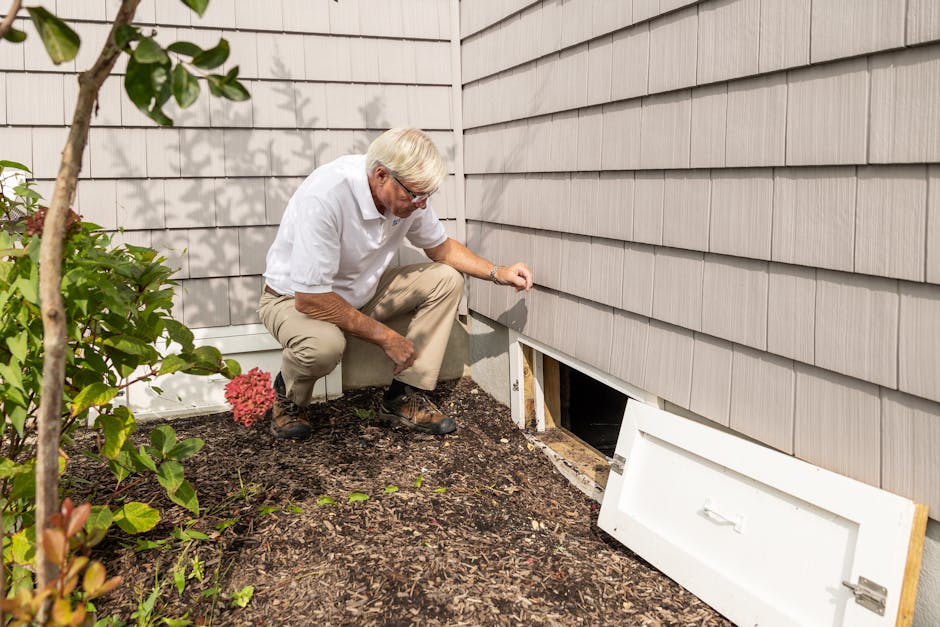
Central Indiana’s Soil and Weather Risks
Clay-heavy soil is common across Central Indiana. During wet periods, clay absorbs and retains water, which makes it slow to drain and quick to swell. This constant cycle, combined with heavy spring rains, humid summers, and winter freeze-thaw, increases the risk of moisture finding its way into crawl spaces. Over time, repeated wetting, swelling, and shrinking of soil can crack foundation walls and allow even more water to seep in. Mold, mildew, wood rot, and structural issues often follow if these moisture sources are not addressed.
Trusted Foundation Solutions specializes in combatting these regional challenges, designing crawl space systems that withstand Indiana’s unique environmental pressure. Crawl space encapsulation is almost always recommended in homes experiencing chronic dampness, musty odors, visible mold, or high humidity, all of which are common in this region.
Key Differences: Feature-by-Feature Comparison
| Feature | Vapor Barrier | Crawl Space Encapsulation |
|---|---|---|
| Primary Function | Limits ground moisture entering crawl space air | Seals out ground vapor, wall seepage, exterior air, and controls overall humidity |
| Coverage Area | Ground/floor only | Floor, walls, vents, piers, and penetrations |
| Humidity Control | Passive (slows vapor movement) | Active (air-sealing, possible dehumidifier, controls indoor air quality) |
| Handles Outside Air | No | Yes (seals vents and drafts) |
| Includes Drainage | No | Can include drainage, sump pump if needed |
| Cost | Lower upfront | Higher upfront, lower long-term risk |
| Best For | Dry or mostly dry crawl spaces with minor soil dampness | Homes with persistent humidity, mold, water intrusion, or in clay-heavy ground |
Framework: When to Use Which Solution?
Vapor Barrier May Be Sufficient If:
- The crawl space stays dry all year
- Relative humidity remains below 50-55%
- No visible mold or mildew is present
- No standing or pooling water occurs after heavy rainfall
- Odors are minimal or absent
Crawl Space Encapsulation Is Needed If:
- Humidity often rises above 60%
- Mold or mildew smells persist in your home
- Moisture seeps in through walls or foundation cracks
- Floors feel bouncy, sag, or develop wood rot
- Your crawl space is in an area with clay soil and poor drainage
- Standing water is an issue after storms
- Severe freeze-thaw cycles or soil pressure crack or displace walls
In these latter cases, attempting to manage moisture with a simple floor barrier typically leads to ongoing problems. Encapsulation delivers a sealed, dry crawl space, helping prevent mold, protecting air quality, and reducing the risk of structural damage.
The Expert Approach: Steps to Proper Moisture Control
- Inspect the space thoroughly: Look for standing water, visible mold, wood rot, and musty odors. Trusted Foundation Solutions provides detailed inspections focused on the effects of Indiana clay soil and humidity.
- Measure humidity: Use a hygrometer to track humidity at various points during the year.
- Assess exterior grading and drainage: Downspout extensions, swales, and surface drainage should redirect water away from the foundation.
- Address visible water entry points: Foundation cracks, unsealed block walls, or vent openings may require targeted repairs.
- Choose a tailored solution: For minor vapor, a barrier may suffice. For chronic issues, encapsulation and interior drainage often provide lasting peace of mind.
How Encapsulation Boosts Value and Health in Indiana Homes
Encapsulation not only controls moisture, but also:
- Keeps mold and allergens from circulating into living spaces (critical for homes with stack effect air movement)
- Improves energy efficiency and comfort, especially over wet clay soils prone to seasonal expansion/contraction
- Protects structural wood from rot and warping during humid Indiana summers and after spring rains
- Helps preserve insulation, plumbing, HVAC systems, and finished flooring above the crawl space
- Eliminates musty odors leaking into the main house

Best Practices: Ensuring Effective Moisture Control in Central Indiana
- Always tailor your approach to local soil and weather: Solutions that work in sandy soils or drier climates may fail in Indiana’s clay.
- Demand professional-grade materials: Thick, tear-resistant liners and reliable air/vapor sealing are critical for encapsulation.
- Ensure proper drainage: Interior sump pump or perimeter drain may be required in homes with persistent water intrusion.
- Use a dehumidifier where needed: Encapsulated crawl spaces in Indiana benefit from active humidity control.
- Seek honest, local expertise: Choose companies with deep experience in Indiana crawl space challenges, like Trusted Foundation Solutions.
Hypothetical Example Scenarios
Example 1: A Noblesville homeowner sees minor ground moisture and no mold. A vapor barrier stabilizes humidity and stops musty odors from developing.
Example 2: An Indianapolis home with sagging floors and visibly damp walls, built over clay soil, benefits from full encapsulation with sump drainage and dehumidification—solving mold, structural, and comfort problems all at once.
For more detailed cost breakdowns specific to Indiana, see Crawl Space Encapsulation Cost in Indiana: What Homeowners Should Expect.
Frequently Asked Questions (FAQ)
What problems does a vapor barrier solve?
It helps slow the movement of moisture vapor from the soil, reducing humidity and minor dampness in crawl spaces without severe water intrusion.
What extra protection does encapsulation add?
Encapsulation covers floors and walls, seals off vents, blocks air entry, and typically includes dehumidification options. This leads to much better humidity control and guards against all sources of crawl space moisture.
Is encapsulation worth the higher upfront cost?
In homes with recurring dampness, clay-heavy soil, or previous mold issues, encapsulation prevents costly repairs, structural damage, and ongoing air quality concerns—making it an excellent long-term investment.
How can I tell which solution I need?
Start with a full crawl space inspection focused on humidity readings, mold assessment, and visible water entry. Local specialists like Trusted Foundation Solutions provide tailored recommendations based on Indiana’s unique climate.
Does Indiana weather make vapor barriers less effective?
Vapor barriers are less effective against moisture from wall seepage, outdoor air, or periodic flooding—risks that are amplified by Indiana’s freeze-thaw cycles, soil movement, and heavy rains.
Can I install a vapor barrier myself?
While it may be possible in small, dry spaces, professional-grade materials and proper sealing practices are key to lasting performance. For encapsulation, expert installation is essential.
Summary: Which Solution Wins in Central Indiana?
For homes in Central Indiana’s demanding environment, vapor barriers are an adequate step if your moisture problem is very limited. However, for the vast majority of homes with clay soils, humidity, and weather-driven challenges, crawl space encapsulation—expertly designed and installed—provides far superior moisture protection. The confidence, air quality, and structural security it delivers far outweigh the upfront difference in cost.
If you need a detailed assessment or want peace of mind that your home and foundation are protected for the long haul, contact Trusted Foundation Solutions. As Central Indiana’s crawl space and foundation authority, our team is dedicated to honest assessments, quality workmanship, and solutions built to last—no matter how tough the local conditions.