
What Does Standing Water Under a House Mean?
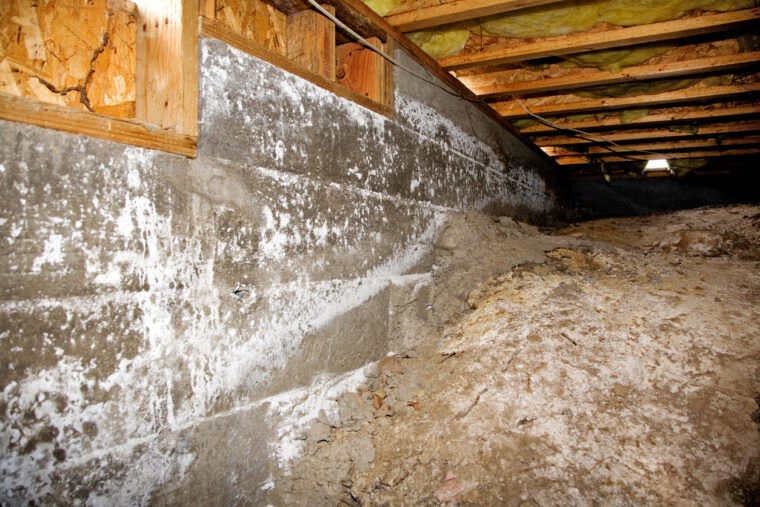
Standing water under a house is a topic every homeowner with foundation issues should understand. Standing water refers to water that collects and remains beneath your home – most commonly in crawl spaces, beneath pier and beam foundations, or around slab edges.
While it may seem harmless at first, standing water is a clear sign that something is wrong. Water should never remain under a healthy home. When it does, it creates ongoing damage to the foundation/structural components, as well as your homes HVAC and electrical components. These can be very costly repairs
Homeowners often don’t notice the problem right away because the water is hidden. Unfortunately, by the time symptoms appear inside the home, damage is already underway.


Standing Water Under House – Cause and Effect Explained
Understanding the standing water beneath your house starts with identifying where the water comes from and how it impacts your home.
Poor Drainage Around the Foundation
The most common cause is improper drainage. When soil around the home slopes toward the foundation instead of away, rainwater flows directly underneath the structure. Over time, this leads to pooling water and saturated soil.
Plumbing Leaks Beneath the Home
Leaking pipes under bathrooms, kitchens, or laundry rooms can release water continuously. Even small leaks can create significant standing water over time, especially in crawl spaces with poor ventilation.
High Groundwater Levels
In areas with naturally high water tables, groundwater can rise beneath the home after heavy rain. Without proper drainage or waterproofing, this water has nowhere to go.
Clogged or Improper Gutters
Gutters that overflow or discharge water too close to the foundation are another major contributor. This excess roof runoff quickly becomes standing water under the house.
Immediate Effects of Standing Water Under a House
Soil Erosion and Foundation Settlement
One of the most dangerous effects of standing water is soil erosion. Saturated soil loses its ability to support the foundation, leading to uneven settlement, cracks, and shifting.
This is one of the clearest examples of standing water under a house: water weakens soil, soil fails, and the foundation moves.
Wood Rot and Structural Damage
Floor joists, beams, and subflooring are especially vulnerable. Constant moisture causes wood rot, weakening the structural integrity of the home and leading to sagging or uneven floors.


Long-Term Effects on Your Home
Mold Growth and Indoor Air Quality
Standing water creates the perfect environment for mold and mildew. Spores travel upward into living spaces, causing musty odors and potential health issues like allergies and respiratory problems.
Increased Pest Infestations
Rodents, termites, mosquitoes, and other pests are attracted to damp environments. Standing water under a house often leads to infestations that further damage wood and insulation.
Is Standing Water Under a House Dangerous?
Yes. Standing water goes far beyond cosmetic damage. Left untreated, it can compromise the foundation, weaken structural supports, reduce property value, and pose health risks to occupants.
In severe cases, Long Term water exposure can lead to partial structural failure and extremely costly repairs.
How to Identify Standing Water Under Your Home
Common warning signs include:
- Musty odors inside the house
- Uneven or sagging floors
- Increased humidity indoors
- Visible water or damp soil in the crawl space
- Mold on baseboards or flooring
Professional inspections using moisture meters and cameras are often needed to fully assess the problem.
Best Solutions to Fix Standing Water Under a House
Drainage and Grading Solutions
- Regrading soil away from the foundation
- Installing French drains
- Extending downspouts
These address the root cause of water intrusion.
Plumbing Repairs
Fixing leaking pipes is critical. Even a small drip can undo other repair efforts if left unresolved.
Crawl Space Waterproofing
- Vapor barriers
- Sump pumps
- Dehumidifiers
These solutions manage moisture and prevent future standing water.


Cost Breakdown for Repairs
Typical costs include:
- Drainage fixes: $1,000–$4,000
- Plumbing repairs: $500–$3,000
- Crawl space waterproofing: $3,000–$10,000+
Addressing standing water early is far less expensive than repairing foundation failure later.
How to Prevent Standing Water in the Future
- Keep gutters clean and extended
- Maintain proper soil grading
- Fix plumbing leaks immediately
- Schedule annual foundation inspections
- Control crawl space humidity
Prevention is the smartest Long Term strategy.
FAQs About Standing Water Under House – Cause and Effect
- Is standing water under a house ever normal?
No. Water should never remain under a home. - Can standing water cause foundation cracks?
Yes, through soil erosion and settlement. - How long does it take for damage to occur?
In some cases, damage can begin within weeks. - Does homeowners insurance cover this issue?
Often no, especially if caused by Long Term neglect. - Can I fix standing water myself?
Minor drainage issues may be DIY, but most cases require professionals. - Should I fix the water problem before foundation repairs?
Yes. Always address the water source first.
Conclusion: Fix the Cause Before the Effects Get Worse
Standing water under the house is a serious issue that no homeowner with foundation problems should ignore. Water is relentless, and the longer it sits beneath your home, the more damage it causes.
By identifying the cause early and taking decisive action, you can protect your foundation, improve indoor air quality, and preserve your home’s value for years to come.