
What Is a Leaking Foundation?
A leaking foundation occurs when water penetrates through foundation walls, floors, or joints and enters your home. This problem is most commonly seen in basements and crawl spaces but can also affect slab foundations.
For homeowners with foundation issues, a leaking foundation is never just a nuisance. Water intrusion is a sign that the foundation’s protective barriers have failed or that outside conditions are forcing moisture into areas where it does not belong. Even small leaks can grow into major structural concerns if ignored.


Why a Leaking Foundation Is a Serious Problem
Water is one of the most destructive forces affecting homes. When a leaking foundation allows moisture inside, it creates constant pressure on structural materials. Over time, this can weaken concrete, corrode metal supports, and rot wood framing.
Beyond structural damage, a leaking foundation also affects indoor air quality. Moisture encourages mold growth, which can spread throughout the home and cause health issues such as allergies and respiratory irritation. Financially, untreated leaks often lead to higher repair costs and reduced property value.
Common Causes of a Leaking Foundation
Poor Drainage Around the Home
One of the leading causes of a leaking foundation is improper drainage. When soil slopes toward the house, rainwater flows directly to the foundation instead of away from it. Saturated soil holds moisture against foundation walls, increasing the likelihood of leaks.
Foundation Cracks and Gaps
Concrete naturally cracks over time due to settling and temperature changes. These cracks provide easy entry points for water. Even hairline cracks can allow significant moisture intrusion during heavy rain.
Hydrostatic Pressure
Hydrostatic pressure builds when water accumulates in the soil surrounding the foundation. As pressure increases, water is forced through weak points in the foundation walls or floor joints, leading to persistent leaks.
Faulty Gutters and Downspouts
Clogged or damaged gutters allow roof runoff to spill directly next to the foundation. Downspouts that discharge too close to the home worsen the problem by concentrating water at the base of the foundation.
Warning Signs of a Leaking Foundation
Common indicators include:
- Damp or wet basement walls
- Water stains or efflorescence on concrete
- Musty odors
- Peeling paint or bubbling drywall
- Pooled water after rain
Recognizing these signs early can prevent extensive damage.
Short Term and Long Term Effects
In the short term, a leaking foundation creates discomfort, humidity, and surface damage. Long term effects are far more severe and may include foundation settlement, wall bowing, mold infestations, and deterioration of structural supports.
Left unaddressed, what starts as a minor leak can compromise the stability of the entire home.
How to Diagnose a Leaking Foundation
Homeowners can perform basic inspections by checking for visible cracks, damp areas, or water after rainfall. However, professional inspections are often necessary to pinpoint the exact source of the leak.
Foundation specialists use moisture meters, drainage assessments, and structural evaluations to determine whether the issue is cosmetic or structural.
Best Repair Solutions for a Leaking Foundation
Interior Waterproofing
Interior solutions include crack injections, sealants, and interior drainage systems. These methods manage water after it enters but do not stop it at the source.
Exterior Waterproofing
Exterior waterproofing addresses the root cause by sealing foundation walls from the outside and installing protective membranes. This is often the most effective long term solution.
Drainage and Moisture Control
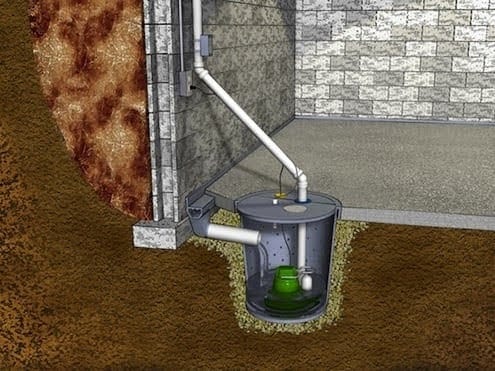
French drains, sump pumps, and improved grading work together to redirect water away from the foundation, reducing pressure and preventing future leaks.
Cost Breakdown for Foundation Leak Repairs
Typical costs include:
- Crack sealing: $300–$1,000
- Interior drainage systems: $2,000–$6,000
- Exterior waterproofing: $5,000–$15,000+
Costs vary depending on severity, foundation type, and home size. Early repairs are always more affordable.
How to Prevent a Leaking Foundation
- Maintain proper grading around your home
- Clean gutters regularly and extend downspouts
- Repair foundation cracks promptly
- Install drainage systems if needed
- Control indoor and crawl space humidity
Preventive maintenance is the best defense against future leaks.
FAQs About Leaking Foundation
- Is a leaking foundation an emergency?
It can be, especially if water enters frequently or causes structural damage. - Can a leaking foundation cause mold?
Yes. Moisture creates ideal conditions for mold growth. - Do foundation leaks get worse over time?
Almost always, especially when caused by drainage or pressure issues. - Will homeowners insurance cover foundation leaks?
Coverage varies, but many policies exclude long term water intrusion. - Can I fix a leaking foundation myself?
Minor cracks may be DIY, but most cases require professional repair. - Should leaks be fixed before selling a home?
Yes. Repairs improve buyer confidence and property value.
Conclusion: Stop Water Before It Causes Structural Damage
A leaking foundation is a warning sign that should never be ignored. For homeowners with foundation issues, early detection and proper repairs can prevent serious structural damage, health risks, and costly renovations.
By addressing the source of water intrusion and investing in proven solutions, you can protect your home’s foundation and ensure long term stability and peace of mind.