
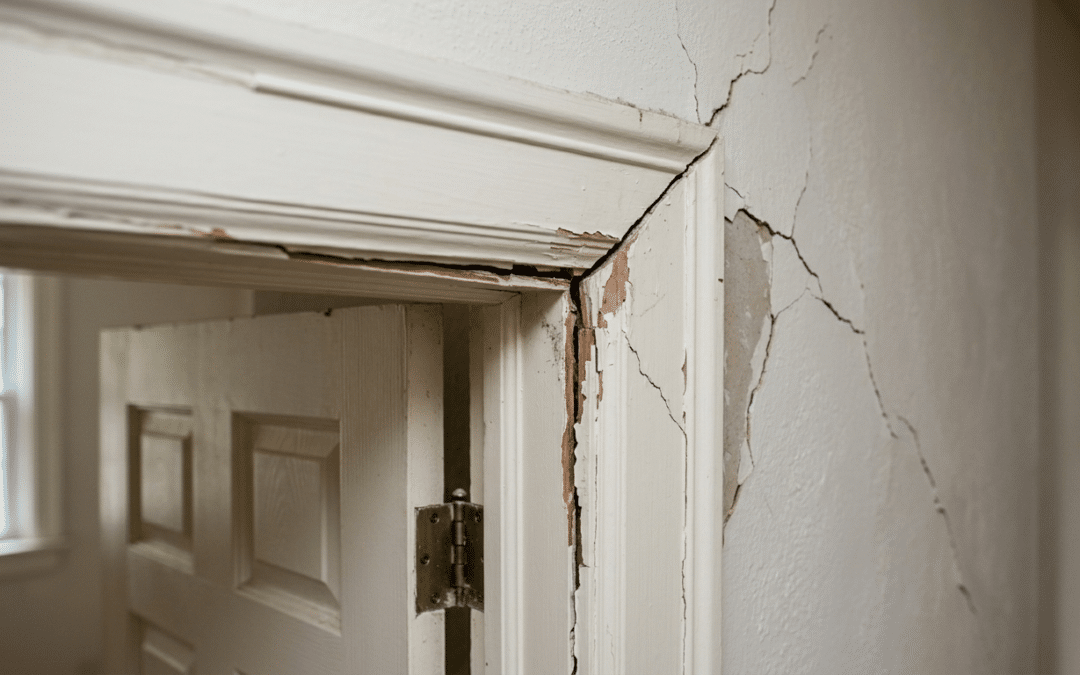
What Foundation Damage Means for Homeowners
If you’re reading this, you may have noticed a crack, a sticking door, or a floor that feels a little “off.” Those small clues can be stressful—because your home is supposed to feel solid and safe. The good news is that many foundation issues can be managed, and some are easier to fix when caught early.
Foundation damage usually means the foundation has moved, settled, shifted, or is being pushed by forces in the ground. That movement can be tiny at first, but because the foundation supports the entire home, even small changes can create visible symptoms upstairs.

Why Small Issues Can Become Big Ones
Here’s the simple truth: foundations don’t usually “break overnight.” More often, the problem grows because the cause keeps happening. For example:
- Water keeps pooling next to the house.
- Soil keeps drying and swelling with the seasons.
- A small leak keeps washing out supporting soil.
If the cause isn’t addressed, the foundation may keep moving—and the house will keep reacting.
How Foundation Movement Affects The Whole House
A home is like a big connected system. When one corner drops or lifts, it can lead to:
- Cracks in drywall or plaster
- Doors that won’t close
- Windows that stick
- Gaps at trim and cabinets
- Uneven floors
That’s why it’s smart to treat early signs like a “check engine” light. You don’t need to panic, but you shouldn’t ignore it.
How A Foundation Works
A foundation has one main job: carry the weight of the home and spread it safely into the soil. If the soil beneath it changes shape, the foundation may move right along with it.
The Job A Foundation Is Designed To Do
A foundation should:
- Keep the home level
- Support walls, beams, and floors
- Resist soil pressure and moisture changes
- Reduce shifting from seasonal changes
Common Foundation Types: Slab, Crawl Space, Basement
- Slab-on-grade: A thick concrete slab poured at ground level.
- Crawlspace: The home sits slightly raised, often on short walls or piers.
- Basement: Tall foundation walls create a living/storage space below the home.
Each type can develop problems, but the warning signs can look different depending on what’s underneath your home.
Expansive Soils and Moisture Swings
Some soils expand when wet and shrink when dry. That constant “breathing” can push a foundation up and down.
Imagine soil like a sponge. Add water and it expands, remove water and it shrinks
Now picture that happening year after year under your foundation. Over time, that movement can cause foundation damage and other issues that come with it.
Poor Drainage, Gutter Issues, and Grading Problems
Water that collects near the foundation can:
- Soften and weaken supporting soil
- Increase pressure on basement walls
- Trigger erosion and washout
Common culprits include short downspouts, clogged gutters, negative grading (yard slopes toward the house), and missing drainage systems.
Plumbing Leaks Under Slabs and Behind Walls
A hidden leak can saturate soil, wash out support, and create uneven settlement. Under-slab leaks are especially tricky because you may not see them until cracks or floor changes appear.
Tree Roots and Uneven Soil Drying
Trees don’t usually “crack concrete with roots” the way movies show. The more common issue is water demand—trees can dry soil on one side of the house more than the other, creating uneven movement.
Freeze Thaw Cycles and Seasonal Stress
In colder regions, soil expands when water freezes and contracts when it thaws. Combine that with poor drainage, and foundations can experience extra stress.
7 Early Warning Signs You Shouldn’t Ignore
Below are seven homeowner-friendly signs. Seeing one doesn’t automatically mean disaster—but multiple signs together, or signs that worsen over time, deserve attention.
1) Interior Drywall Cracks That Widen or Reappear
Small hairline cracks can be normal. But it’s more concerning if cracks:
- Grow longer or wider
- Return after patching
- Appear in several rooms
Watch especially for diagonal cracks from corners of doors or windows.
2) Stair Step Cracks in Brick or Block
These cracks follow mortar lines in a “step” pattern and can show uneven movement under part of the home.
3) Doors and Windows That Stick or Won’t Latch
When a home shifts, frames can go slightly out of square. You might notice:
- Doors rubbing the top
- Latches misaligning
- Windows that jam
4) Sloping, Bouncy, or Uneven Floors
Floors that feel tilted, wavy, or springy can be a sign of movement or weakening supports—especially in crawlspaces.
5) Gaps Around Trim, Cabinets, or Countertops
Look for separation at:
- Crown molding
- Baseboards
- Built-in cabinets
- Countertops pulling away from walls
6) Bowing Basement Walls or Bulging Masonry
This can be caused by soil pressure pushing inward, often made worse by water buildup outside the wall. This is one of the more serious signs and should be evaluated sooner rather than later.
7) Water Intrusion, Musty Odors, or Persistent Dampness+
Moisture problems don’t always mean structural movement, but they often increase risk. Water entering through cracks or wall/floor seams can signal drainage issues that may contribute to foundation damage over time.
Normal Settling vs. Real Trouble
What To Do First If You Suspect A Problem
Common Repair Options Explained Simply
How To Prevent Foundation Damage Going Forward
FAQs About Foundation Damage
Conclusion: Take Early Action To Protect Your Home
FOUNDATION REPAIRS & WATER PROOFING
Accreditations & Partners



Phone
Privacy Policy and Terms & Conditions
Address
Stilesville, IN 46180
© 2025 Trusted Foundation Solutions | All Rights Reserved. Website Designed and Hosted by Inspire Website Design