
Foundation Problems Can Affect The Air You Breathe
Many homeowners think “air issues” are only about dusting more or buying a fancy air purifier. But if you have foundation-related moisture—like a damp basement, a musty crawl space, or water that occasionally seeps in—those conditions can quietly impact comfort and health throughout the whole house.
The “Stack Effect” and Why Basements Influence Upstairs Air
Air naturally moves through a home. Warmer air rises and escapes from the upper parts of the house, which can pull air upward from lower areas like basements and crawl spaces. That means whatever is happening down below—humidity, odors, moldy materials—can travel upward and mix into your living areas.
Moisture: The Common Link Between Foundations and Air
Moisture is the bridge between structural spaces and breathing spaces. Dampness can:
- Encourage mold growth on wood, cardboard, drywall, and dust
- Increase dust mites (they love humid conditions)
- Create that “old basement” smell that never quite goes away
- Make HVAC systems work harder and feel less comfortable
EPA’s mold guidance emphasizes a straightforward principle: control moisture to control mold.
Why Hydrostatic Pressure Is a Serious Foundation Threat
Concrete foundations are strong, but they are not waterproof. Continuous pressure from saturated soil can force moisture through hairline cracks, cold joints, and porous concrete.
Over time, hydrostatic pressure can cause:
- Foundation wall cracks
- Bowing or leaning walls
- Basement and crawl space flooding
- Accelerated concrete deterioration
Ignoring hydrostatic pressure allows small weaknesses to become structural failures.
Common Indoor Air Concerns Tied To Basements And Crawl Spaces
Mold and Mildew
Mold spores exist everywhere—indoors and out. The problem starts when mold finds a damp surface and has time to grow. CDC/NIOSH notes that excess moisture is generally the major cause of indoor mold growth, and that fixing dampness sources is more effective than focusing on air sampling alone.
Dust Mites, Musty Odors, and Hidden Damp Materials
Even without visible mold, damp materials can smell musty and support microorganisms. Carpeting over a damp slab, wet insulation in a crawl space, or stored boxes against a basement wall can all become “odor factories.”
Soil Gases and Airflow Pathways
Cracks, sump pits, and gaps around pipes can act like little doorways between soil and indoor air. Not every home has a serious soil-gas issue, but sealing obvious openings and managing airflow is a smart part of a moisture plan.
Early Warning Signs Homeowners Can Spot
Musty Smells, Condensation, and Lingering Humidity
If you regularly notice:
- Foggy windows
- Condensation on pipes or basement walls
- A damp smell that returns after cleaning
…your home may be staying too humid for too long.
Allergy-Like Symptoms That Improve When You Leave Home
This isn’t a diagnosis, but it’s a clue. If sneezing, itchy eyes, or coughing feels worse at home (especially after spending time in the basement), it’s worth checking humidity and moisture conditions.
Visible Staining, Efflorescence, and Damp Corners
White chalky deposits on basement walls (efflorescence) or dark staining can be signs that moisture is moving through masonry.
The 60 Minute Homeowner Checkup
Humidity Targets and Where To Measure
A simple digital hygrometer (humidity meter) can be a game-changer. The CDC recommends keeping indoor humidity no higher than 50% to help prevent mold.
Place meters:
- In the basement
- On the first floor near the center of the home
- Near a bathroom or laundry area
Quick Exterior Drainage Walk Around
After a rain (or with a garden hose test), check:
- Are gutters overflowing?
- Do downspouts dump water right next to the foundation?
- Does the ground slope toward the house?
- Are there puddles against basement walls?
Basement/Crawl Space Visual Checklist
Look for:
- Damp spots, staining, or peeling paint
- Wet insulation, sagging vapor barrier, or muddy soil
- Wood that looks dark, soft, or smells musty
Stored items pressed against exterior walls
Practical Fixes That Usually Help Most Homes
1) Stop Bulk Water First (Gutters, Downspouts, Grading)
This is the “unsexy” fix that often makes the biggest difference:
- Clean and repair gutters
- Add downspout extensions so water discharges farther from the home
- Re-grade low spots that collect water near the foundation
Moisture control is a consistent theme in EPA mold resources because it prevents recurring growth.
2) Keep Indoor Humidity In A Safer Range
Aim for steady humidity—not big swings. If your basement sits at 60–70% humidity for weeks, you’re basically rolling out a welcome mat for microbial growth.
3) Vent Bathrooms and Kitchens To The Outdoors
Make sure exhaust fans actually vent outside (not into an attic). Use them during showers and cooking, then leave them running a bit afterward to clear moisture.
4) Seal Obvious Air Leaks Between Basement/Crawl Space and Living Areas
Seal gaps around:
- Plumbing penetrations
- Utility chases
- Rim joists (where the house framing meets foundation walls)
This helps reduce the upward movement of musty air into living spaces.
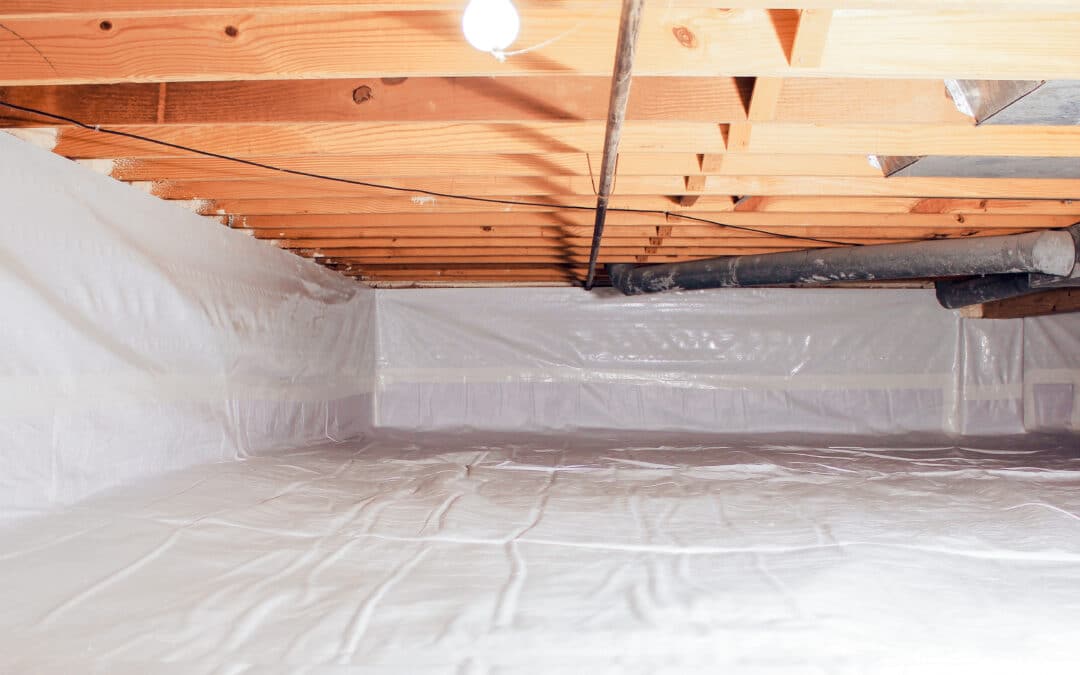
5) Improve Crawl Space Ground Coverage (Vapor Barrier Basics)
Bare soil releases moisture continuously. A properly installed ground cover can reduce humidity significantly. (If you’re unsure what’s right for your climate and setup, a qualified pro can help you avoid trapping moisture the wrong way.)
6) Manage Basement Wall Moisture and Seepage Pathways
If you have seepage:
- Address exterior drainage first
- Consider interior drainage/sump solutions if needed
- Don’t rely on paint alone to “waterproof” chronic moisture
7) Use Portable Dehumidifiers Correctly
A dehumidifier can help, but only if:
- It’s sized for the space
- The condensate drains reliably (hose to sump or drain is ideal)
- You keep doors open or use airflow to reach humid corners
8) Clean Up Mold Safely – And Know When To Call Pros
Small areas may be manageable, but safety matters. CDC provides guidance on safe cleanup practices and cautions that mold cleanup can pose health and injury risks.
If growth is widespread, keeps returning, or comes from flooding/sewage, professional remediation is often the safer route.
9) Consider A Ventilation Plan (What Standards Aim To Do)
Good ventilation dilutes indoor pollutants and moisture—especially in tighter homes. ASHRAE’s residential ventilation standard (62.2) is widely referenced for setting minimum ventilation expectations in homes.
You don’t need to memorize standards, but the big idea is simple: source control + exhaust where moisture is created + consistent fresh air.
If you’re seeing significant foundation cracking, wall movement, or rapid changes, a licensed structural engineer can help identify whether the moisture is also linked to structural risk.
FAQs
1: Can Foundation Moisture Really Affect The Whole House?
Yes. Air can move upward from basements and crawl spaces into living areas, and dampness can increase musty odors and mold risk.
2: What Humidity Level Should I Aim For?
CDC suggests keeping indoor humidity no higher than 50% to help prevent mold growth.
3: Should I Test The Air for Mold?
CDC/NIOSH notes that finding and correcting sources of dampness is generally more effective than relying on air sampling to prevent health problems.
4: Will An Air Purifier Fix The Problem?
Air purifiers can reduce particles, but they can’t remove moisture from walls, soil, or damp materials. Moisture control is still step one.
5: What’s The Fastest “First Fix” I Can Do This Weekend?
Check gutters, extend downspouts, and correct spots where water pools at the foundation. Bulk water control often
6: When Should I Call A Professional for Mold Cleanup?
If mold covers a large area, keeps returning, or follows significant water damage, professional help is usually safer. CDC provides cleanup guidance and highlights potential health risks during removal.
A Plan For Cleaner Air At Home
If your home has basement or crawl space moisture, it can quietly drag down comfort and health. The most effective approach is simple and steady: control water outside, reduce dampness inside, and improve ventilation and filtration in a balanced way. When you tackle moisture at the source, your home’s air typically improves along with it—and you’ll feel more confident about what’s happening below your feet.