
What Are Cracks in Foundation and Why They Matter
Cracks in foundation are one of the most common and most misunderstood problems homeowners face. While some cracks may appear minor, others can signal serious structural instability beneath your home.
A foundation is designed to support the entire weight of a house. When cracks form, it often means the foundation is under stress. This stress may come from soil movement, water pressure, or aging materials. For homeowners with foundation issues, cracks are rarely just cosmetic.
Ignoring cracks in foundation can allow moisture intrusion, pest entry, and ongoing structural movement. Over time, small cracks can widen, multiply, and lead to costly repairs if left untreated.

Common Types of Cracks in Foundation
Vertical Cracks
Vertical cracks run straight up and down and are often caused by normal settlement. While some are harmless, widening or leaking vertical cracks should always be evaluated.
Horizontal Cracks
Horizontal cracks are more serious. They often indicate pressure from soil or water pushing against foundation walls. These cracks can compromise structural integrity and require immediate attention.
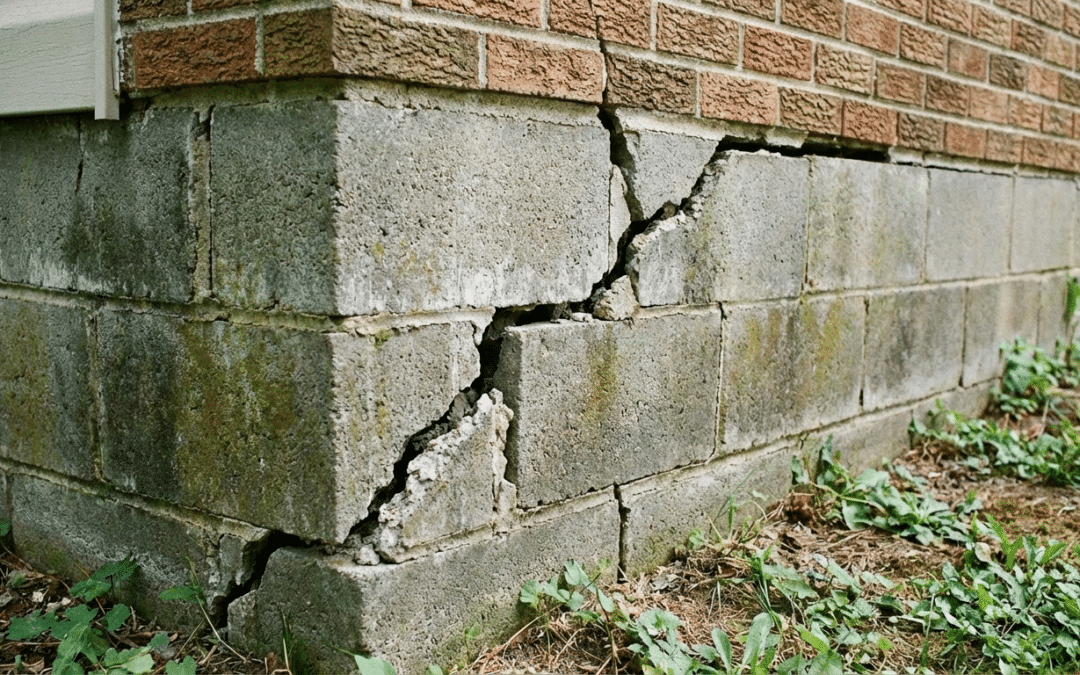
Stair Step Cracks
Common in brick or block foundations, stair-step cracks follow mortar joints. They usually point to uneven settlement and foundation movement.
Hairline Cracks
Hairline cracks are thin and often appear in new homes as concrete cures. While many are cosmetic, they should still be monitored for growth.
Main Causes of Cracks in Foundation
Soil Movement and Settlement
Soil expands when wet and contracts when dry. This constant movement places stress on the foundation, leading to cracks over time. Clay-rich soils are especially problematic.
Water Damage and Poor Drainage
Water is one of the biggest contributors to cracks in foundation. Poor drainage, clogged gutters, or standing water can saturate soil and increase pressure against foundation walls.
Construction Issues
Improper soil preparation, poor-quality concrete, or rushed construction can lead to early foundation cracking. These issues often show up within the first few years of a home’s life.
Tree Roots and External Pressure
Large trees planted too close to a home can draw moisture from the soil or physically press against foundation walls, causing cracks.

Are Cracks in Foundation Dangerous?
Some cracks in foundation are harmless, but others are a clear sign of structural risk. Horizontal cracks, wide cracks, or cracks that leak water should never be ignored.
Dangerous cracks can lead to:
- Wall bowing or collapse
- Uneven or sagging floors
- Sticking doors and windows
- Reduced home value
When in doubt, professional evaluation is always the safest choice.
How to Identify Serious Foundation Cracks
You should seek professional help if:
- Cracks are wider than 1/4 inch
- Cracks are growing over time
- Water seeps through cracks
- Walls appear bowed or leaning
- Multiple cracks appear suddenly
Foundation specialists use measuring tools and structural assessments to determine severity.
Best Repair Options for Cracks in Foundation
Crack Sealing and Epoxy Injection
For non-structural cracks, epoxy or polyurethane injections can seal gaps and prevent moisture intrusion.
Foundation Piering Systems
When cracks are caused by settlement, pier systems stabilize and lift the foundation, addressing the root cause rather than just the symptom.
Wall Reinforcement Solutions
Carbon fiber straps or steel braces are used to stabilize cracked or bowing foundation walls and prevent further movement.


How to Prevent Cracks in Foundation
- Maintain proper drainage around your home
- Keep gutters clean and extended
- Control soil moisture during dry seasons
- Avoid planting large trees near the foundation
- Schedule routine foundation inspections
Prevention protects both your home and your wallet.
FAQs About Cracks in Foundation
- Are all foundation cracks serious?
No, but all should be monitored. - Can cracks in foundation be fixed permanently?
Yes, when the underlying cause is addressed. - Do cracks mean my house is unsafe?
Not always, but some cracks can indicate serious risk. - Can foundation cracks affect resale value?
Yes, especially if not repaired or documented. - Should I fix cracks before selling my home?
Absolutely. Repairs improve buyer confidence. - Can weather cause foundation cracks?
Yes. Heavy rain and drought cycles are major contributors.
Conclusion: Don’t Ignore the Warning Signs
Cracks in foundation are one of the clearest ways your home communicates structural stress. While some cracks are minor, others can signal serious foundation failure if ignored.
For homeowners with foundation issues, early detection and professional repair are the keys to protecting your home’s safety, value, and long-term stability. If you notice cracks in your foundation, act now before small problems become major ones.