
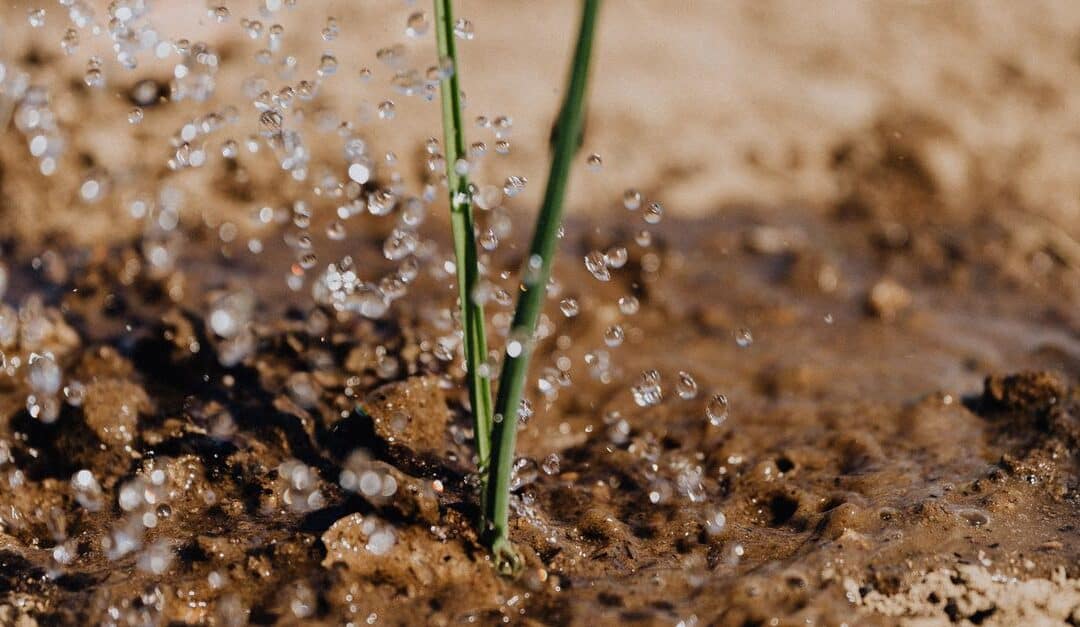
Hydrostatic pressure is a silent but powerful factor impacting basement foundations across Central Indiana. If you notice damp walls, musty air, or water pooling after a rain, you are not alone—these are common warning signs tied to our unique combination of clay-heavy soils, seasonal downpours, and fluctuating temperatures. Understanding what drives hydrostatic pressure, how it manifests around foundations, and exactly why Central Indiana homes are so vulnerable is essential for protecting any basement investment.
Definition: What is Hydrostatic Pressure Around a Foundation?
Hydrostatic pressure is the force exerted by water-saturated soil against basement walls and floors. When stormwater, snowmelt, or rising groundwater has nowhere to drain, it builds up around the perimeter of your foundation. Over time, this force can push moisture through even the smallest cracks, or eventually stress concrete and masonry enough to bow, crack, or leak.
Why is Hydrostatic Pressure a Major Issue in Central Indiana?
The Central Indiana region, including Indianapolis, Carmel, and surrounding areas, is uniquely impacted by hydrostatic pressure due to several key factors:
- Clay-dense soils—our local soil holds and retains water far longer than sandy or loamy soils found in other regions. Clay expands when wet and contracts when dry, creating dramatic cycles of pressure fluctuation around basement walls.
- Heavy rainfall and snowmelt fill the ground quickly, often overwhelming inadequately graded yards or outdated drainage systems.
- Freeze-thaw cycles not only worsen cracks but also open additional pathways for water to invade.
- Frequent weather swings can turn long-dry soil into instant mud, especially after prolonged droughts followed by heavy storms.
Trusted Foundation Solutions has seen how these local factors combine, making basements across Central Indiana especially vulnerable to hydrostatic pressure-related damage.

Step-by-Step: How Hydrostatic Pressure Develops Around Your Basement
- Soil absorbs moisture—Clay-rich ground slowly soaks up rain, snowmelt, or discharged roof water (especially if gutter systems are clogged or downspouts are too short).
- Water accumulates along the basement walls—Poor yard grading causes water to flow towards the house, saturating backfilled soil.
- Soil remains wet for extended periods—Central Indiana clay holds moisture tightly, causing prolonged high pressure even after the sky is clear.
- Pressure mounts at key points—Water force targets basement wall cracks, joints, and the wall-floor seam. Over time, it can find its way through seemingly solid concrete.
- Visible damage appears—Wet spots, efflorescence (white mineral streaks), moldy smells, wall cracking, or inward bowing often follow repeated cycles.
Key Causes of Hydrostatic Pressure in Central Indiana
1. Local Clay Soil
Central Indiana’s dense, moisture-retaining clay is the single most critical local factor. Unlike sandy soil, clay can stay waterlogged for weeks after rainfall, maintaining intense pressure around foundations. As the clay swells and later dries out, it stresses foundation walls and creates new openings for water entry. We regularly see these effects at Trusted Foundation Solutions when diagnosing basement issues.
2. Poor Yard Grading
If your property slopes toward your home, rainwater is drawn directly to your basement. Over time, this can mean persistent saturation. Many Central Indiana homeowners unknowingly inherit this issue from prior landscaping, but regrading is an impactful solution if water frequently pools near your foundation.
3. Ineffective Gutter and Downspout Systems
Even well-constructed homes suffer if water from the roof is not routed well away from the foundation. Clogged gutters or downspouts that empty only a few feet from the wall add thousands of gallons of water to the area most prone to leaks and high hydrostatic pressure.
4. Seasonal Extreme Weather
Every spring and early summer, Central Indiana experiences a rush of moisture from storms and rapid snowmelt. This sudden change saturates soil faster than it can drain, leaving foundations under pressure for long stretches.
5. High Local Water Tables
Homes located in low-lying or poorly drained zones, or near creeks and swales, may contend with high water tables, which increase upward pressure beneath basement floors as well as lateral force against the walls.
6. Backfill Settlement
Soil around a new foundation often settles and compacts differently from undisturbed earth. This loose zone can channel runoff directly to basement walls, while holding even more moisture against them.
7. Hidden Plumbing Leaks
Occasionally, chronic foundation dampness is caused not by rain, but by leaking plumbing or irrigation lines. Even minor undetected leaks can saturate soil enough to sustain damaging pressure year-round.
Signs Hydrostatic Pressure is Affecting Your Basement
- Water seepage through wall or floor cracks after rain
- Efflorescence or chalky white residue on walls
- Musty odors in basement or crawl space
- Bowed, tilting, or cracking basement walls
- Mold or wood rot on lower levels
- Persistent damp spots or puddles along the base of walls
If you notice these symptoms, particularly after storms or seasonal thawing, it is critical to act promptly. Trusted Foundation Solutions recommends an inspection to identify the root cause and take proactive steps.
Hydrostatic Pressure: How It Damages Foundations
Prolonged hydrostatic pressure does not just leave behind water stains. It can physically deform foundation walls, widen cracks, disrupt floor slabs, and set the stage for recurring moisture, mold, and rot problems. Left unchecked, pressure can eventually undermine the structural integrity of your basement and even the upper floors of your home. This is why experts emphasize not only repairing the damage you see, but also solving the underlying water management issues—that’s where Trusted Foundation Solutions brings unique, Central Indiana-specific expertise.
Expert-Recommended Best Practices for Managing Hydrostatic Pressure
- Improve surface grading—Re-contour your yard to guide water away from the house. A gentle slope away from the foundation is the target.
- Maintain gutters and downspouts—Clean them regularly and add extensions to carry water at least 6–10 feet from your home.
- Consider interior waterproofing systems—Sump pumps, perimeter drains, and vapor barriers offer multi-layered defense from inside the basement. Basement waterproofing is a core service at Trusted Foundation Solutions.
- Repair wall cracks promptly—Fixing cracks early reduces the risk of leaks and can prevent expansion under future pressure.
- Address wall bowing or settlement quickly—For major movement, solutions like carbon fiber straps, wall anchors, or helical piers may be necessary. Check out basement wall repair for details.
- Monitor for plumbing leaks—A sudden increase in foundation dampness during dry weather could signal a water line leak near the foundation.
Learn how freeze-thaw cycles amplify foundation risks in our dedicated resource: How Freeze-Thaw Cycles Damage Foundations.
When to Call a Foundation Professional
If you experience repeated leaks, growing wall cracks, unexplained moisture, or see your basement walls bow or shift even slightly, it is time for expert intervention. Trusted Foundation Solutions provides prompt, honest, and expert-driven foundation inspections and solutions specific to Indiana’s climate and soil conditions. Our team has a reputation for clear communication and transparent pricing—not scare tactics. Browse our homeowners’ guide on finding the right contractor in Indiana for more tips.
Trusted Foundation Solutions: Central Indiana’s Authority on Hydrostatic Pressure
Our experience shows that basement leaks are more often a symptom of poor water management and soil issues than simple construction flaws. It is essential for homeowners in the Indianapolis region to focus on the underlying issues unique to the area—namely, clay soils, seasonal extremes, and historic grading or drainage errors. Trusted Foundation Solutions addresses both immediate water intrusion and long-term prevention with an approach tailored to local needs.
What Sets Trusted Foundation Solutions Apart:
- Our deep expertise in Indiana residential soil and water issues
- A full range of foundation repair and waterproofing systems specifically chosen for the region
- Lifetime warranties on most repairs, with transparent, upfront pricing
- No high-pressure sales—just honest, technical advice
- Minimal disruption, clear timelines, and a trustworthy local reputation
- Serving the Indianapolis metro, Carmel, Westfield, Avon, Brownsburg, and nearby communities
Don’t let water pressure quietly undermine your home. Learn more about preventative steps in our drainage problems to fix before Indiana’s fall rains checklist.
Frequently Asked Questions
What are the signs of hydrostatic pressure in a basement?
Warning signs include water seeping through cracks in the walls or floor, chalky white residue (efflorescence), musty odors, bowing or cracked walls, and persistent dampness. These issues often appear after heavy rain or rapid snowmelt in Central Indiana.
Why does my Indiana basement leak even after minor rainfall?
Central Indiana’s clay soil holds water longer and releases it more slowly, which means even moderate rainfall can sustain hydrostatic pressure for weeks. Inadequate grading, short downspouts, or clogged gutters worsen the effect.
How can I prevent hydrostatic pressure from damaging my foundation?
Key preventive actions include regrading your yard, maintaining roof drainage, repairing cracks early, and considering professional basement waterproofing. If you live in a known trouble area, have a specialist assess your basement proactively.
Are there solutions if my basement walls are already bowing?
Yes. Trusted Foundation Solutions offers options such as carbon fiber reinforcement, wall anchors, and stabilization systems. The best choice depends on wall type, degree of movement, and underlying soil conditions.
Can I do anything myself to reduce hydrostatic pressure?
You can keep gutters clear, extend downspouts, monitor for yard pooling, and watch for foundation cracks. However, if symptoms progress or recur, professional assessment is advised to prevent long-term problems.
What makes Trusted Foundation Solutions an expert in this area?
Our reputation is built on deep local knowledge of Indiana soils and weather, transparent and honest assessments, quality craftsmanship, and a proven track record with homeowners from Indianapolis to Carmel and beyond.
Conclusion: Addressing Hydrostatic Pressure with Trusted Foundation Solutions
Hydrostatic pressure is an ongoing risk for basements in Central Indiana. Its root causes—clay soil, weather shifts, and drainage problems—are unique to our region and demand highly tailored solutions. As the local authority on foundation repair and waterproofing, Trusted Foundation Solutions delivers honest guidance and proven results. If you suspect pressure is building around your foundation, or if you want a proactive assessment before trouble begins, contact our team today. Protect your home—and your peace of mind—with help from Indiana’s leading foundation experts.