

Indiana homeowners, especially those in Central Indiana, face unique drainage and foundation challenges as fall approaches. Central Indiana’s clay-dominated soils, fluctuating temperatures, and heavy seasonal rainfall can create a perfect storm for water-related damage around foundations, basements, and crawl spaces. Addressing drainage issues before fall rains arrive is essential to protect your property from structural risks and long-term repairs.
Drainage problems commonly escalate when water accumulates near your home. This is not just a nuisance—in our experience at Trusted Foundation Solutions, pooling water causes pressure on foundation walls, promotes crawl space humidity, and increases the risk of cracks or bowing. Proactively fixing drainage issues before autumn helps maintain the long-term stability and value of homes in this region.
Definition: What Are Drainage Problems in Central Indiana?
Drainage problems are conditions that prevent water from moving safely away from your home. In Central Indiana, these issues—and their risks—are amplified by heavy clay soils that retain water, minimal yard slope, seasonal leaf drop, and intense downpours. Left unaddressed, drainage problems contribute to foundation settlement, basement leaks, crawl space moisture, and soil erosion near your property.
Why Address Drainage Issues Before Fall?
- Clay soil’s slow absorption means rainfall pools quickly during storms.
- Repeated saturation leads to softening, erosion, and foundation movement.
- Addressing problems now prevents larger, costlier structural repairs after winter.
Timely intervention gives you control over both surface water and hidden moisture before they escalate to expensive foundation issues.

7 Common Drainage Problems in Central Indiana (And How to Fix Them)
1. Downspouts Discharging Too Close to the Foundation
One of the most frequent drainage problems we diagnose is roof runoff being released too close to basement or crawl space walls. When downspouts end right beside your structure, soil saturation and foundation stress quickly follow.
- Solution: Extend downspouts several feet beyond your foundation perimeter. Inspect after storms to ensure water is diverted appropriately. Adjust slopes and check for blockages regularly.
2. Improper Yard Grading Toward the Home
If your yard slopes toward the house—or remains flat due to settled fill—gravity carries surface water right to your foundation. Central Indiana’s heavy soils amplify this risk as rainwater does not easily dissipate.
- Solution: Regrade the soil so it slopes away from all sides of the home (aim for a gentle, consistent grade). Re-grading is especially important if your yard has settled over time or landscaping changes have altered drainage patterns.

3. Clogged Swales, Ditches, and Drainage Paths
Swales and shallow ditches direct water through yards but often become filled with autumn leaves, mulch, or sticks, stalling flow and causing water to pool.
- Solution: Walk your property’s drainage routes after a rain, clearing debris and restoring intended contours. Regular maintenance is crucial in fall, as leaf drop intensifies blockages.
4. Undersized or Poorly Positioned Catch Basins and Surface Drains
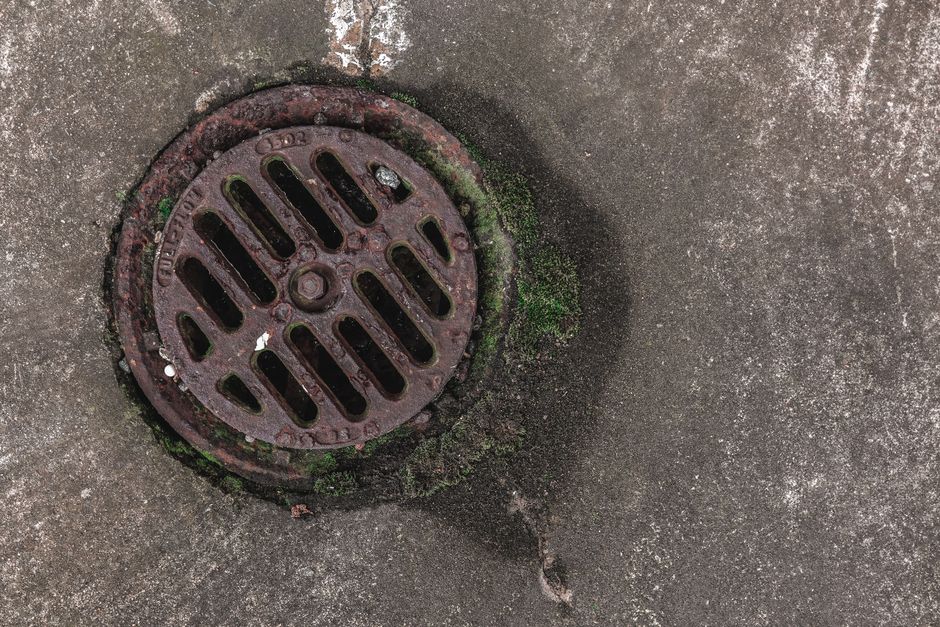
Surface drains at patios or driveways can fail if they are clogged, undersized, or placed where runoff cannot escape. Slow-draining puddles are a hallmark of this issue.
- Solution: Inspect grates and inlets for debris, and confirm the drain line carries water to an appropriate outfall. If needed, consult with a drainage expert about upsizing or relocating problem drains.
5. Clay Soil That Holds Water Instead of Absorbing It
Clay-dominated soils in Central Indiana are naturally dense and compacted, meaning they retain water long after storms. Over time, excessive moisture increases the risk of soil movement and erosion, contributing directly to foundation settlement and basement leaks.
- Solution: Limit foot traffic on wet areas to prevent compaction, integrate surface and subsurface drainage solutions, and promptly address bare soil spots to reduce further erosion. Many homeowners benefit from a combination of regrading, controlled drainage, and professionally installed water management systems.
6. Low Spots and Settlement Depressions
Soil settling over time around patios, sidewalks, or additions forms small basins that collect water. These depressions worsen with each rain, feeding ongoing moisture problems near the home’s foundation.
- Solution: Rebuild settled areas with proper fill, compacting in lifts and reestablishing a grade away from the house. Confirm that downspouts and nearby flows do not discharge into the same area.
7. Basement or Crawl Space Drainage Already Failing
When water management outside the home falls short, symptoms appear inside: damp walls, musty odors, mold, and visible pooling. In Central Indiana, persistent moisture is a leading cause of bowed walls, sagging floors, and poor indoor air quality.
- Solution: Watch for white powdery mineral deposits (efflorescence), check for damp floors and smells in crawl spaces, and combine outdoor fixes with interior waterproofing where needed. Professional crawl space encapsulation, sump pump systems, and interior drains are often recommended by Trusted Foundation Solutions to manage ongoing water intrusion.
Step-by-Step: Pre-Fall Drainage Inspection Checklist
- Check all downspouts for proper extension away from the home.
- Look for standing water or wet soil within ten feet of the foundation.
- Walk all yard swales, ditches, and drainage routes for blockages.
- Inspect low areas for persistent wetness or new depressions.
- Look inside the basement or crawl space for efflorescence, stains, or dampness.
- Observe water flow during rainfall—notice any areas directing water back toward your house.
- Photograph or document problem areas for comparison after any repairs or landscaping changes.
This quick walkthrough can help reveal hidden drainage issues before they cause foundation problems as the rainy season starts.
When Drainage Problems Become Foundation Problems
Persistent water next to your foundation does more than create unsightly puddles. Over time, clay soils expand and contract, leading to bowing basement walls, diagonal cracks, sticking doors and windows, and settlement. If you start to notice these symptoms, or if water is present after every rain, consider a professional evaluation from Trusted Foundation Solutions. Their expertise covers not just drainage correction but comprehensive foundation repair services designed for Indiana’s unique clay-heavy soils and climate.
Best Practices for Managing Drainage in Central Indiana
- Regularly clear debris from all exterior drains, swales, and gutters, especially after autumn leaf drop.
- Recheck yard grading every few years or after landscaping projects to maintain a protective slope.
- Inspect crawl spaces and basements for early moisture signs—musty smells, visible dampness, or stains should not be ignored.
- If settlement or concrete cracks are seen outdoors, review our guide Late Summer Foundation Checklist for Indiana Homeowners.
- Schedule a professional assessment with local experts to identify evolving risks and solutions tailored for Indiana soils and weather patterns.
Following these steps proactively will help minimize risks from heavy fall rains and winter freeze-thaw cycles.
How Trusted Foundation Solutions Serves Central Indiana Homeowners
Trusted Foundation Solutions brings decades of experience to foundation repair, basement waterproofing, crawl space repair, and drainage resolution in Marion County, Indianapolis, and the broader Central Indiana region. As a truly local provider—not a national chain—we understand how the area’s particular soils, grading practices, and climate influence drainage outcomes. Our team is known for honest assessments, clear communication, and solutions that address both immediate moisture problems and long-term structural risks. Learn more about our services:
- Basement Waterproofing
- Crawl Space Repair
- Foundation Repair
- Concrete Leveling
- Egress Windows and Doors
Frequently Asked Questions
How does Central Indiana’s clay soil affect drainage problems?
Clay soil in Central Indiana drains very slowly, holding water at the surface and around home foundations after even modest rainfall. This creates persistent moisture near basements and crawl spaces, increasing risks of leaks, cracking, and foundation shift.
What are the earliest warning signs of drainage failure?
Watch for standing water after storms, damp or musty basement odors, white mineral deposits on foundation walls (efflorescence), and recurring puddles near your house. For crawl spaces, humidity, water stains, or sagging floor supports are signals of hidden issues.
Can I resolve serious drainage problems myself?
Minor issues like clearing leaves or installing downspout extensions can be addressed by most homeowners. However, persistent pooling, poor grading, or water entering basements typically requires professional intervention and specialized drainage or foundation solutions.
Should I address drainage and foundation repairs at the same time?
Yes—because these problems often interconnect. Trusted Foundation Solutions recommends combining yard grading or drainage improvements with interior repairs as part of a comprehensive moisture management plan. This prevents recurring issues and protects your investment long-term.
How often should I inspect my home’s drainage system?
At minimum, conduct inspections before and after the fall rainy season, and after major storms. Check more frequently if you notice new water movement, settling, or indoor dampness.
Where can I learn more about Indiana soil and weather’s impact on my foundation?
See our in-depth article: How Indiana’s Soil and Weather Can Impact Your Home’s Foundation.
Conclusion
Identifying and repairing drainage issues before fall rains hit is critical for Central Indiana homeowners. Our region’s clay soil and seasonal weather patterns make foundations particularly vulnerable to water-related stress—prompt action now means avoiding far bigger investments later.
For honest evaluation, clear solutions, and work designed for Indiana conditions, connect with Trusted Foundation Solutions today. We’re local experts committed to protecting the safety and stability of your home. Request a free repair estimate or explore educational resources in our Resource Center.