

Every late summer, Central Indiana homeowners face a critical window for evaluating the health of their foundations. The unique challenges of this region—including clay-rich soils and unpredictable weather swings—make homes susceptible to movement, moisture intrusion, and settling. By using a comprehensive foundation checklist tailored for late summer, you can identify developing issues before autumn rains and winter freeze-thaw cycles amplify them. This proactive approach, recommended by Trusted Foundation Solutions, helps you protect your most valuable asset while controlling repair costs and minimizing disruption.
Understanding Foundation Risks in Central Indiana
Central Indiana sits atop dense clay soils that expand when wet and shrink when dry. These recurring cycles put ongoing pressure on foundation walls and slabs. After a summer with hot, dry stretches followed by intense storms, the potential for soil movement, settlement, bowing walls, and water infiltration increases significantly. Homeowners in Indianapolis, Stilesville, Carmel, Zionsville, Noblesville, and surrounding communities are particularly impacted by these soil and weather dynamics.
For more detailed insight into how weather and soil in Indiana affect your home’s foundation, see our resource: How Indiana’s Soil and Weather Can Impact Your Home’s Foundation.

Definition: What Is a Late Summer Foundation Checklist?
A late summer foundation checklist is a systematic framework for assessing your home’s structural integrity and moisture protection as the season changes. The goal is to spot and document cracks, settlement, dampness, drainage problems, and other warning signs while there’s still time for preventive action.
Step-by-Step Foundation Checklist for Central Indiana Homeowners
1. Walk the Exterior and Look for Changes
- Inspect all sides of the home for new or widening cracks, especially in brick or block foundations.
- Identify stair-step, diagonal, or horizontal cracks that signal movement.
- Look for separation where walls meet floors, porches, patios, steps, or chimneys.
- Check for crumbling concrete, gaps in slabs, or sinking sections of driveways and sidewalks.
- Photograph each area of concern to monitor any changes over time.
2. Assess Grading and Drainage
- Ensure the soil slopes away from the house by about 6 inches within the first 10 feet from the foundation.
- Spot any areas where water pools near the home’s perimeter after rain.
- Check for washed-out soil, erosion, or landscaping that could direct water back toward the foundation.
- Inspect any swales, berms, or French drains for blockages or improper flow.
In Central Indiana’s slow-draining clay, improper grading traps water against the foundation, leading to leaks, bowing walls, and settlement.
3. Clean Gutters and Confirm Downspout Extension
- Remove summer debris and leaves from gutters and downspouts.
- Check that all downspouts extend several feet away from the home, preventing water from saturating foundation soil.
- If gutters frequently clog, consider adding guards or scheduling regular maintenance.
4. Inspect Your Basement for Moisture
- Look for damp walls, puddles, or standing water after storms.
- Smell for musty odors which may indicate hidden leaks or mold growth.
- Check for white powdery residue (efflorescence) which means moisture is traveling through masonry.
- Note any visible cracks or bulging basement walls.
Persistent water problems are common in Indiana basements, especially when clay soil holds moisture after heavy rain.
5. Test Sump Pumps and Moisture Control Systems
- Pour water into your sump pit to ensure automatic activation and discharge.
- Inspect the discharge lines for blockages.
- Verify backup power systems are functioning and charged.
- Run basement or crawl space dehumidifiers during periods of high humidity.
System failures during summer storms can lead to immediate water intrusion and long-term wood rot or mold.
6. Check Crawl Spaces Thoroughly
- Look for standing water, mud, or elevated humidity inside crawl spaces.
- Note sagging, moist, or musty-smelling floors above the crawl space.
- Check for visible mold, wood rot, or rust on support beams and piers.
- Confirm any vapor barriers or sump pumps are intact and operational.
Issues like sagging floors or poor crawl space air quality often stem from foundation problems and regional moisture conditions. Learn more by visiting our crawl space repair page.
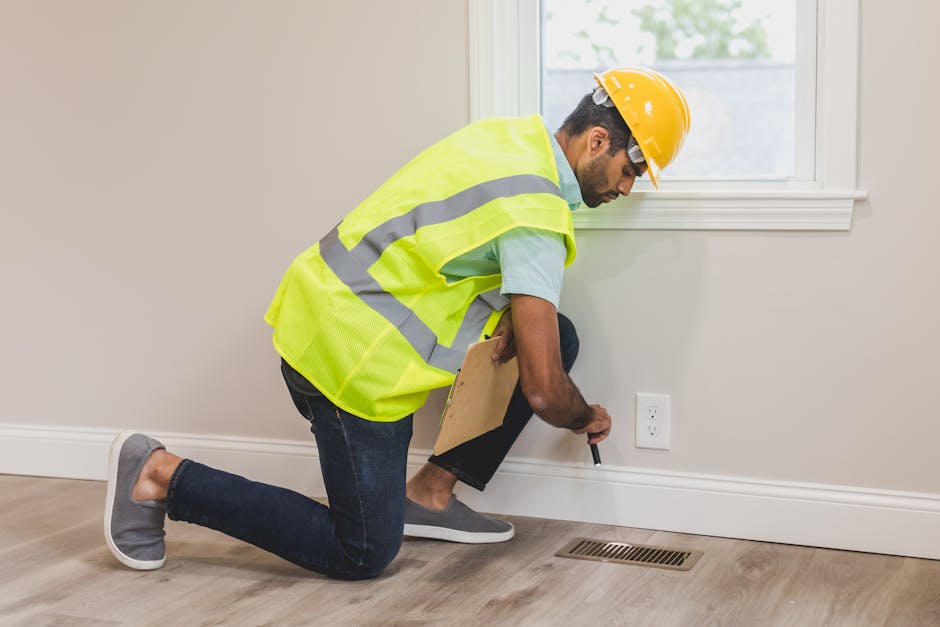
7. Inspect the Home’s Interior for Signs of Settling
- Notice doors and windows that stick or do not align properly.
- Check for drywall cracks, especially above doors and near corners or ceilings.
- Walk through each room and feel for uneven or sloping floors.
- Look for separations where trim, crown molding, or floorboards meet the wall.
These early warning signs often appear before major structural issues develop.
8. Evaluate Driveways, Walkways, and Concrete Slabs
- Identify settled, tilted, or cracking slabs around the outside of the house.
- Watch for trip hazards or pooling water where concrete meets the garage or porch.
- If separation or sinking is evident, professional leveling can often restore safety and alignment quickly.
Trusted Foundation Solutions utilizes advanced methods such as polyurethane foam injection for concrete leveling. Read more about this service: Concrete Leveling.
9. Control Vegetation and Maintain Clear Access
- Trim shrubs and bushes back several feet from the foundation.
- Keep mulch and soil a few inches below siding and away from direct contact with walls.
- Monitor for roots or branches that might cause drainage problems or foundation cracks.
Dense landscaping can trap moisture and make regular inspection difficult, especially with clay soil retaining water next to the home.
10. Know When to Call a Professional
If you observe any of the following, contact a trusted foundation expert:
- Rapidly growing or wide foundation cracks
- Bowing or bulging basement walls
- Persistent water leaks, musty odors, or visible mold
- Noticeable floor sagging, settlement, or loss of structural support
- Repeated standing water or drainage failures near the home
Trusted Foundation Solutions offers honest assessments, transparent pricing, and long-lasting repairs throughout Central Indiana. Our services encompass foundation repairs, basement wall repair, basement waterproofing, crawl space repair, concrete leveling, and egress window/door installation. We understand the impact of local soil and weather and will never recommend unnecessary repairs or use scare tactics.
Best Practices for Central Indiana Foundation Maintenance
- Perform exterior and interior inspections every late summer and after major storms.
- Keep all drainage systems (gutters, downspouts, landscape grading) maintained and cleared.
- Document issues with dated photographs and monitor changes monthly through fall.
- Act quickly on signs of structural movement, water entry, or air quality issues to prevent escalating costs.
- Partner with local experts who specialize in Indiana soils and climate conditions, like Trusted Foundation Solutions.
Late Summer Foundation Checklist Summary
- Walk the exterior and photograph problem areas
- Check grading and drainage for proper runoff
- Clean gutters and verify downspouts are extended
- Inspect the basement and crawl space for dampness, cracks, musty odors
- Test sump pumps and moisture control equipment
- Look for interior signs of shifting or settlement
- Examine walkways, driveways, and slabs for unevenness
- Trim vegetation away from the foundation
- Call a professional if serious issues are found
This checklist can serve as your yearly blueprint for maintaining a healthy, protected home foundation through Indiana’s demanding climate.
FAQ: Late Summer Foundation Maintenance in Central Indiana
What’s the most important foundation concern for Central Indiana homes in late summer?
Movement and moisture stresses caused by clay soil expansion and contraction top the list. These can result in cracks, wall bowing, and water intrusion after storms.
How do I know if a crack is serious or cosmetic?
Minor vertical cracks are often harmless, but horizontal, stair-step, or widening cracks may indicate structural movement or bowing. Any change over weeks should be examined by a professional like Trusted Foundation Solutions.
What should I do if I find standing water near my foundation?
First, check gutters, downspouts, and grading to redirect water away from the house. If pooling continues or soil stays soggy, schedule a professional evaluation to prevent seepage and settlement.
Why is crawl space inspection critical in this region?
Crawl space moisture in Indiana often leads to mold, airborne allergens, floor sagging, and wood rot. Local clay soils can keep this area damp for weeks after storms unless properly protected.
Can I fix uneven concrete myself?
DIY leveling rarely delivers lasting results and can lead to further damage. Trusted Foundation Solutions uses professional-grade polyurethane foam injection for safe, effective concrete leveling.
How often should I inspect my foundation?
It’s wise to conduct thorough checks at least annually—late summer is ideal due to seasonal soil changes. After significant storms, repeat a brief inspection for new issues.
What sets Trusted Foundation Solutions apart in Central Indiana?
We combine decades of local expertise, clear communication, quality workmanship, and honest pricing. Our work is tailored to Indiana’s soil and weather conditions, and we always focus on solutions that last.
Where can I find more information on related topics?
Explore our blogs for detailed education on issues like choosing a reputable foundation company and basement waterproofing options.
Conclusion
Late summer is the best time for Indiana homeowners to take control of foundation maintenance. Paying close attention now means saving money, protecting health, and avoiding bigger headaches as the seasons shift. If your inspection reveals any signs of foundation movement or moisture trouble, don’t wait—reach out to a true local expert. At Trusted Foundation Solutions, we’re proud to help Central Indiana families keep their homes sturdy, dry, and safe—season after season. Request a free estimate or browse our foundation repair, basement waterproofing, crawl space, and concrete leveling services for more information tailored to Indiana’s unique conditions.